Aglist
Equipment
Tractors
Skid Steers
Mowers
Tillage
Grain Dryers
Attachments
Brands
Blog
Contact
Model
Types of Transport
Make
Model
DefaultRating: High to LowRating: Low to High
John Deere 6M
 John Deere 6M 130
John Deere 6M
 John Deere 6M 125
John Deere 6M 110
 John Deere 6M 120 Tractor Specs, Review & Owner Feedback
John Deere 6M
 John Deere 6M 115
John Deere 6M 110
 John Deere 6M 110
John Deere 6M
 John Deere 6M 95
John Deere 6M 105
 John Deere 6M 105

John Deere Equipment Specs, Reviews & Ratings in Canada

John Deere is one of the most recognizable names on Canadian farms and acreages. From compact tractors that handle snow removal and property maintenance to larger machines built for heavy work, the brand is known for a wide product range and strong dealer support across Canada. But when it comes to choosing the right model—especially on the used market—buyers often run into the same problem: specifications vary by year and configuration, listings are incomplete, and it’s hard to compare models side by side.

Aglist is built to make that easier. Here you can browse John Deere equipment by type, open a model page for a structured spec breakdown, and use real-world feedback to understand what the numbers feel like in daily use. Whether you’re trying to confirm horsepower and PTO figures, check hydraulic flow for loader work, or compare operating weight and dimensions for transport and storage, this brand hub is the starting point for fast, confident decisions.

Browse John Deere by Equipment Type

Use the links below to explore John Deere machines in the categories Canadians search most. Each category page is designed to help you compare models quickly and then drill down into detailed pages with specs, features, and review sections.

John Deere Tractors

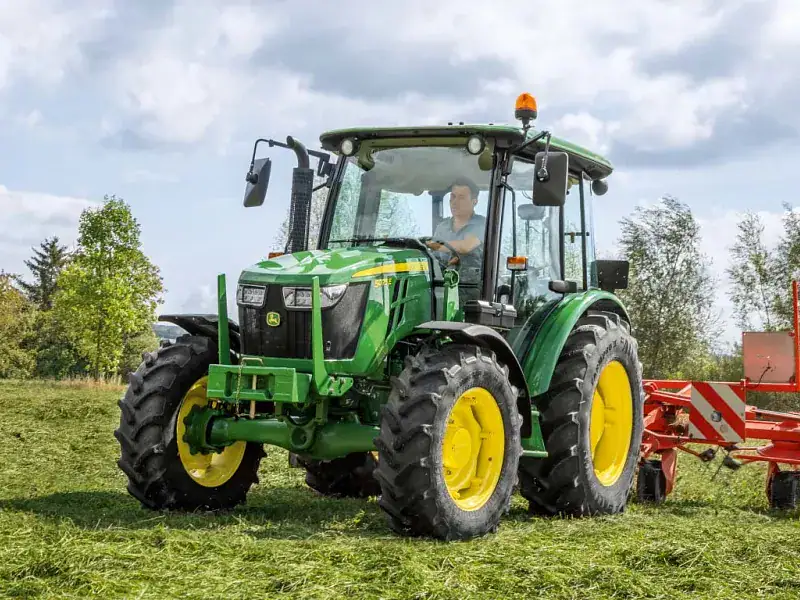
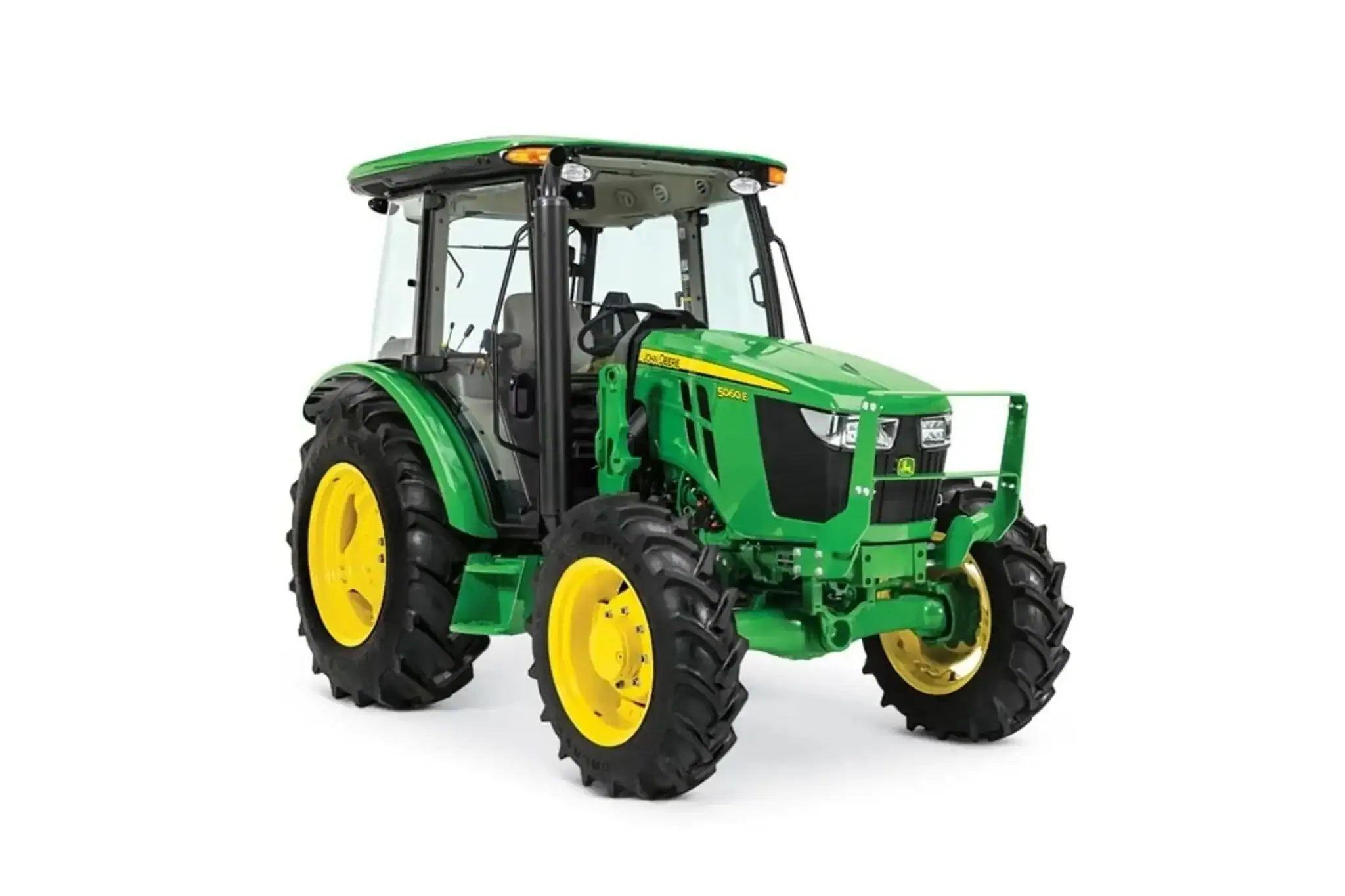
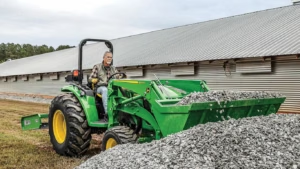
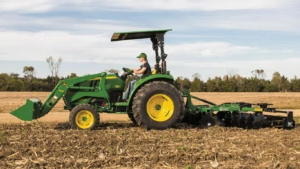
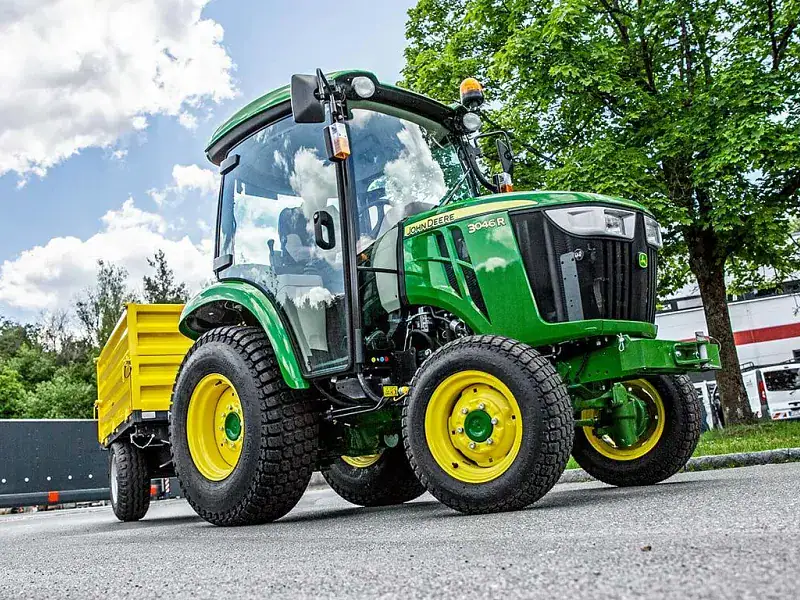
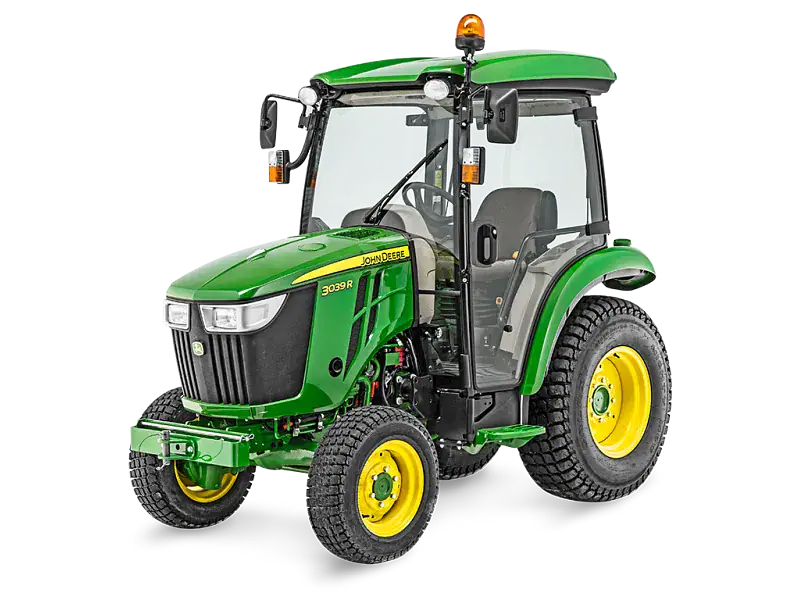
Tractors are where most buyers begin, and the “right” choice depends on how you’ll actually use the machine. Compact and utility tractors are common for acreage chores like mowing, driveway maintenance, grading, snow clearing, and loader work. Larger tractors may focus more on power, traction, and productivity. On Aglist, tractor pages highlight the specs that matter most for real tasks: engine horsepower, PTO horsepower, transmission type, hydraulic capacity, lift ratings, and operating weight.

  • John Deere Compact Tractors

  • John Deere Utility Tractors

  • John Deere Tractor Models (All)

John Deere Mowers & Lawn Equipment

For mowing and property care, buyers often compare engine output, cutting width, deck options, and transmission. Zero-turn and lawn tractor comparisons can look similar on paper, but comfort, traction, and long-term maintenance matter just as much. Aglist helps you compare the core specs quickly and then move into model pages that explain practical differences—especially useful for Canadians who mow in mixed conditions or deal with seasonal storage and winter prep.

  • John Deere Zero-Turn Mowers

  • John Deere Lawn Tractors

  • John Deere Mower Models (All)

John Deere Skid Steers & Compact Loaders

Skid steers are all about capability in tight spaces: lifting, loading, grading, snow handling, and attachment versatility. For comparisons, specs like rated operating capacity, operating weight, hydraulic flow (standard/high-flow), and breakout force are key—because they determine what attachments you can run and how efficiently you can work. Aglist model pages make it easy to compare these numbers and then check owner notes about stability, visibility, maintenance access, and performance in cold weather.

  • John Deere Skid Steers

  • John Deere Compact Track Loaders

  • Attachments compatible with John Deere

John Deere Attachments & Implements

Attachments often decide how useful a machine is for your specific jobs. A tractor can be “right,” but the wrong implement match can waste money and time. Aglist helps you connect attachments to the specs that support them—PTO, hydraulics, hitch category, lift capacity, and compatible mounting systems. Over time, this becomes one of the most valuable parts of the catalog, especially for buyers building a setup for snow removal, land clearing, or routine maintenance.

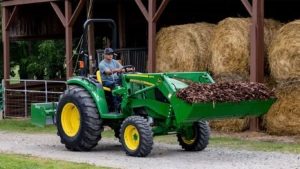
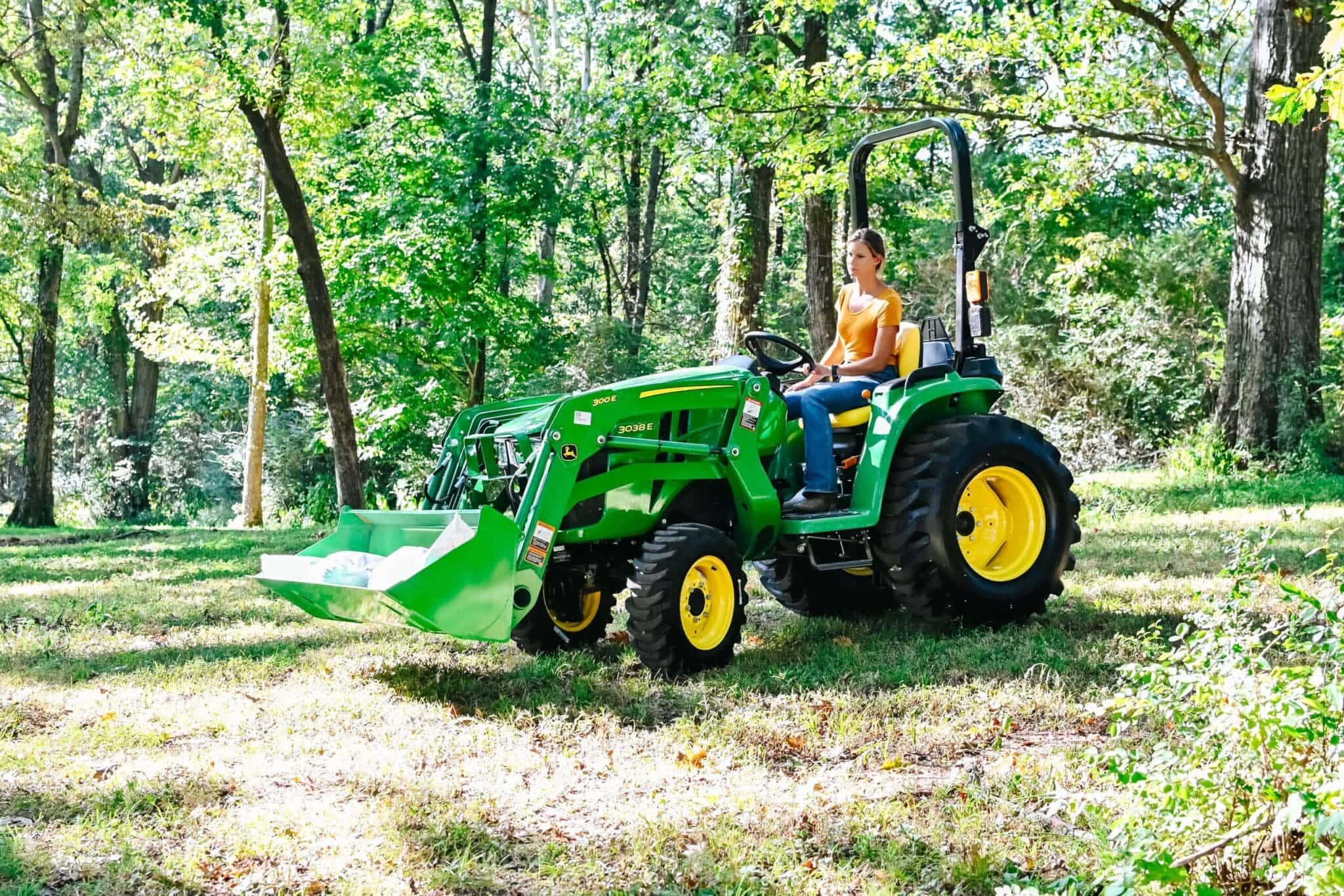
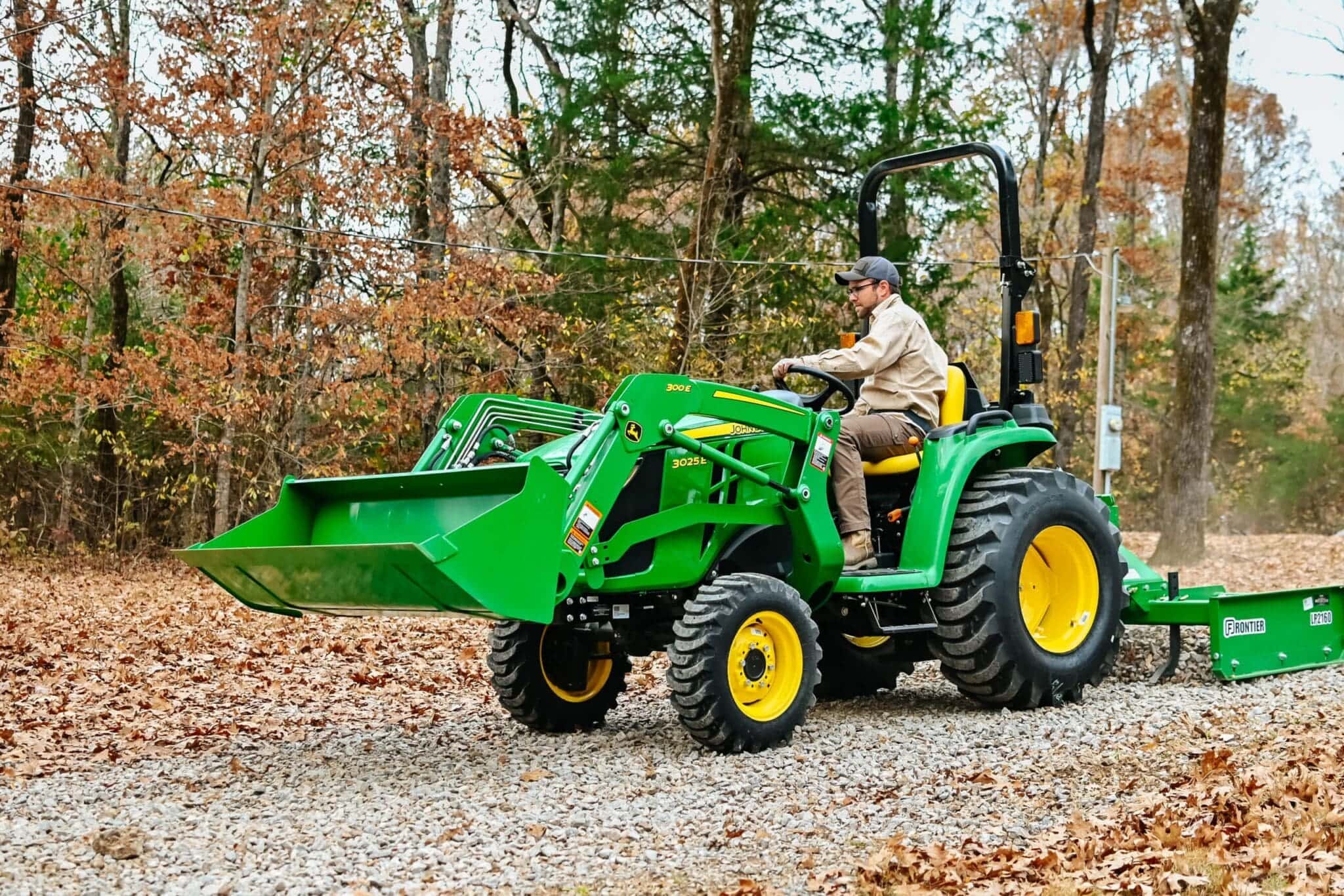
  • John Deere Front Loaders

  • John Deere Snow Blowers

  • John Deere Rotary Cutters / Tillers

What Specs Matter Most When Comparing John Deere Equipment

Even within the same John Deere series, specs can differ by trim level, transmission option, cab configuration, and year. That’s why comparing models isn’t just about “bigger number wins.” Here are the most important spec groups Aglist highlights—especially for Canadian buyers.

Horsepower vs PTO Horsepower

Many people search “John Deere horsepower” and stop there, but PTO horsepower is often the deciding number for implements. If you run PTO-driven equipment like snow blowers, tillers, or rotary cutters, PTO power tells you what the tractor can actually deliver to the implement. Comparing engine HP and PTO HP together prevents disappointment—especially when choosing between similar models.

Hydraulics: Flow and Lift Capacity

For loader work and hydraulic attachments, hydraulic flow (often measured in gpm) matters as much as lifting capacity. Higher flow can mean faster cycle times and better performance with hydraulic tools. Lift capacity (3-point hitch or loader ratings) matters for handling heavier implements, bales, or pallet forks. On Aglist, these numbers are shown in context—so you can match them to the jobs you actually do.

Transmission Type and Real Use Cases

Transmission choice changes the experience. Hydrostatic options are popular for repetitive loader cycles and precision work, while geared transmissions can be preferred for certain field tasks or long runs. When comparing John Deere models, look at the transmission type and ranges, then consider how you’ll use it: snow removal, mowing, grading, hauling, or mixed work.

Operating Weight, Size, and Stability

Weight affects traction, stability, and how safely you can handle a loader with heavy loads. Dimensions affect storage, trailer transport, and maneuvering around buildings or fencing. For Canadian conditions, weight and stability are often underrated—especially when dealing with snow, ice, and uneven terrain.

Cab, Comfort, and Cold-Weather Practicality

In Canada, comfort and weather readiness matter. Cab options, heating/defrost performance, visibility, and ease of entry can become major quality-of-life factors during winter work. On Aglist, spec pages can be paired with owner reviews to highlight practical details that spec sheets don’t cover.

John Deere Reviews on Aglist

Specs help you compare, but reviews help you decide. Owner reviews can highlight what matters after the purchase: reliability, maintenance access, parts availability, dealer experience, fuel use, comfort, and how the machine performs under real workloads. On Aglist, reviews are submitted by users and moderated to reduce spam and abuse. They still reflect personal experience—so treat them as guidance rather than a guarantee.

If you own John Deere equipment, your review helps other Canadian buyers make better choices. Even a short review is useful when it answers practical questions: what you use it for, what you like, what you’d change, and what you’d recommend to someone shopping today.

Popular Comparisons Canadian Buyers Make

Many searches start with a single model, but end with a comparison. Aglist is built for that path: open a model page, check quick specs, then compare similar options by type and brand.

Here are common comparison angles to support with internal links:

  • Compact tractor models with similar PTO power

  • Utility tractors with comparable hydraulics and lift capacity

  • Skid steers with similar ROC and auxiliary flow

  • Mowers with comparable deck size and engine options

  • “Compare Similar Models” block on each model page

  • “More from John Deere” block linking back to this brand hub

  • Category links: Tractors / Mowers / Skid Steers / Attachments

Important Note About Specifications

Aglist aims to keep specs accurate and up to date, but details can vary between sources and by model year or configuration. Before buying, servicing, or repairing equipment, confirm critical specifications with the manufacturer’s documentation, the owner’s manual, or a trusted dealer—especially when shopping used or comparing trims.

John Deere FAQ

Are John Deere specs the same for every year?

Not always. Specs can change across model years, trims, and configurations. Always verify key numbers for the exact year and version you’re considering.

What should I check first when buying a used John Deere machine?

Start with hours/usage, service history, signs of leaks, and wear on common high-stress points (loader pins, hydraulic hoses, driveline). Then confirm the model configuration and key specs.

How can I compare John Deere models quickly on Aglist?

Use the equipment type pages to narrow down categories, open model pages for quick specs, and check related/similar models to compare horsepower, PTO, hydraulics, and weight side by side.

Note: We try our best to keep specs and information accurate, but some details can be missing or different depending on the source. Before you buy, service, or repair equipment, please double-check key specs with the manufacturer, the owner’s manual, or your dealer.


About reviews: Reviews on Aglist are written by real users. We moderate them for spam and abuse, but opinions and claims are still personal—so use them as guidance, not as a guarantee.

Socials

Facebook
Aglist

Copyright © 2026 powered by Aglist.ca All rights reserved