Aglist
Equipment
Tractors
Skid Steers
Mowers
Tillage
Grain Dryers
Attachments
Brands
Blog
Contact
Model
Types of Transport
Make
Model
DefaultRating: High to LowRating: Low to High
Kubota ZD1011-3
 Kubota ZD1021-3-60
Kubota ZD1011-3
 Kubota ZD1011-3-54
Kubota ZD1011-3
 Kubota ZD1011-3-48
Kubota Z724XKW
 Kubota Z781KWiTW-60
Kubota Z724XKW
 Kubota Z781KWiTW-54
Kubota Z724XKW
 Kubota Z726XKW-3-60
Kubota Z724XKW
 Kubota Z725KH-3-60
Kubota Z724XKW
 Kubota Z724KH-3-54
Kubota Z724XKW
 Kubota Z724XKW-3-54
Kubota Z724XKW
 Kubota Z724XKW-3-48
Kubota Z452KWTi-60
 Kubota Z452KWTi-60
Kubota Z452KWi-54
 Kubota Z452KWi-54
Kubota Z422KWT-60
 Kubota Z422KWT-60
Kubota Z422KW-54
 Kubota Z422KW-54
Z412KW-48
 Kubota Z412KW-48

Mowers in Canada: Reviews, Specs & Real-World Comparisons

Find the Right Mower for Your Property and Work

Mowers aren’t one category—they’re a toolbox. A zero-turn that makes quick work of a 2–5 acre yard is a completely different machine than a PTO finish mower behind a compact tractor, and neither is the right answer for rough pasture cleanup.

Aglist helps you compare mower types side-by-side, so you can choose based on terrain, grass height, finish quality, and the equipment you already own.

Mower Types You Can Compare on Aglist

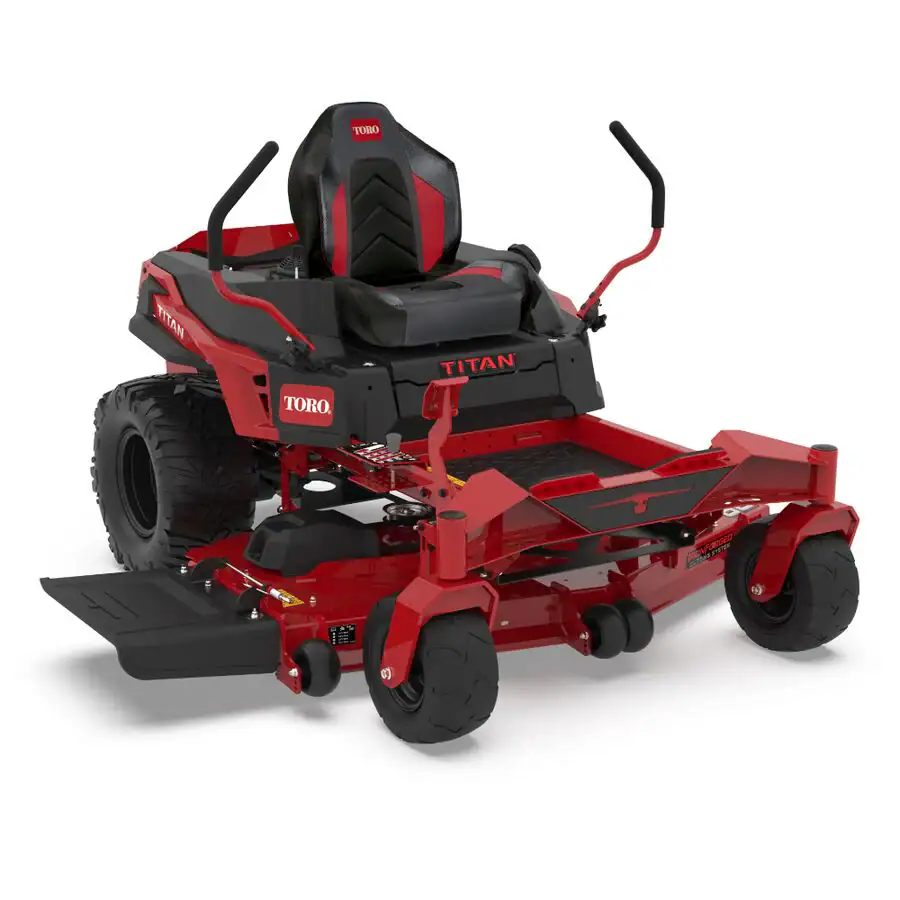
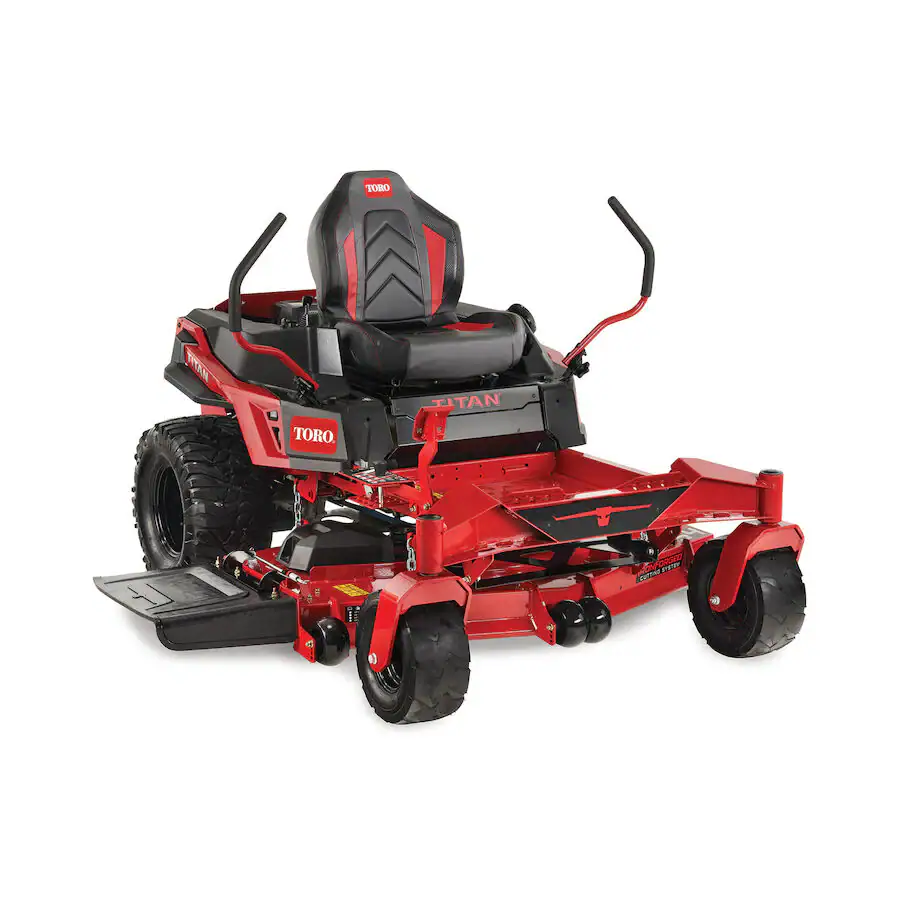
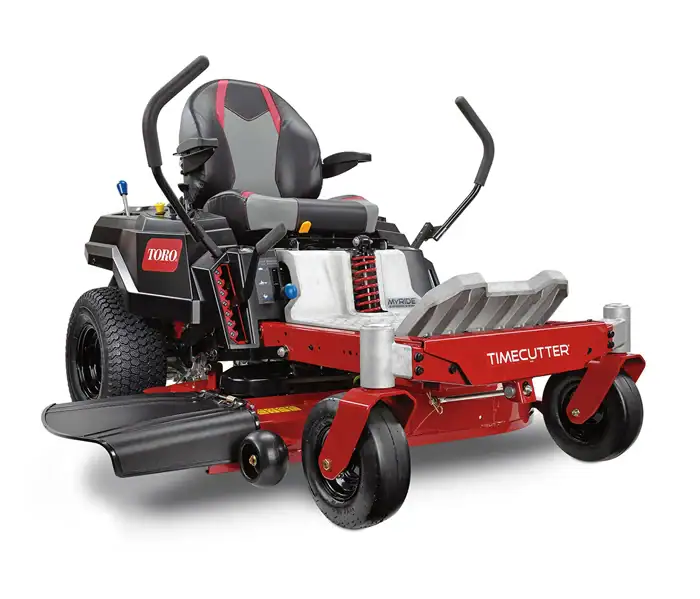
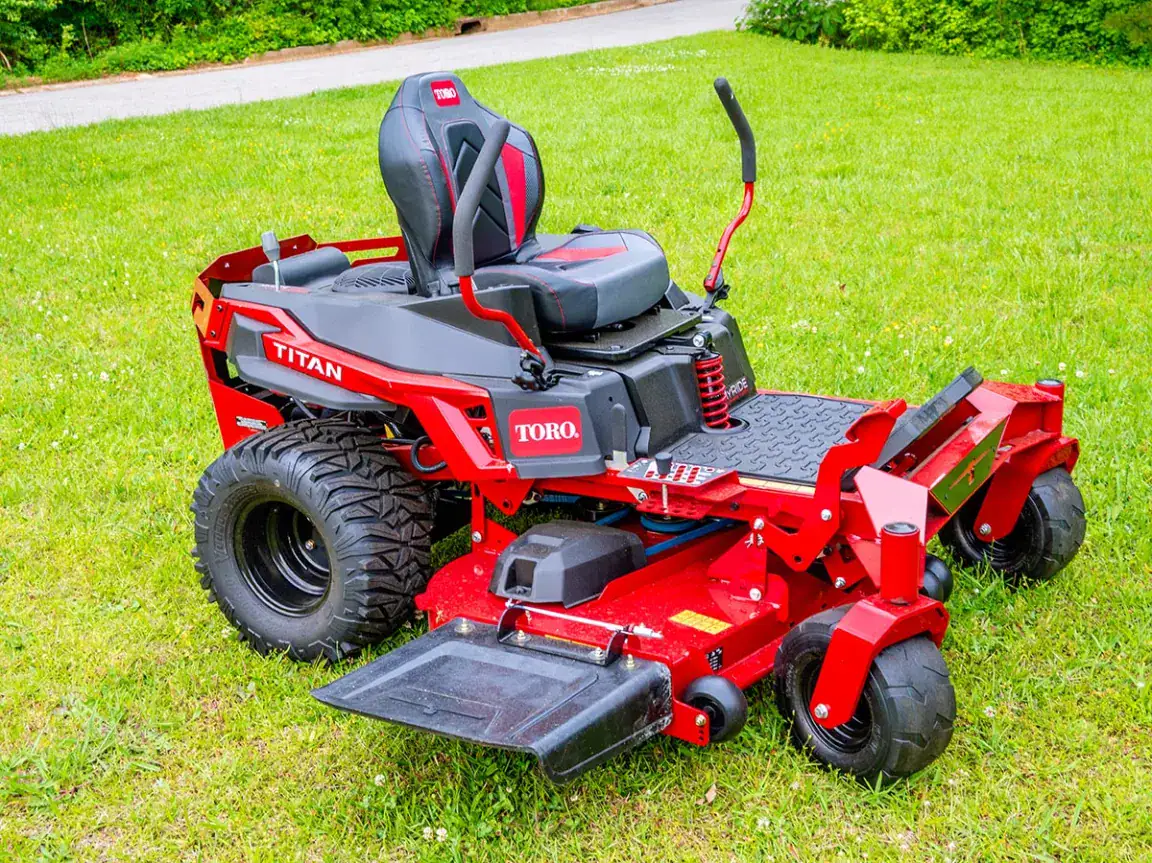
Zero-Turn Mowers (fast, precise, built for time savings)

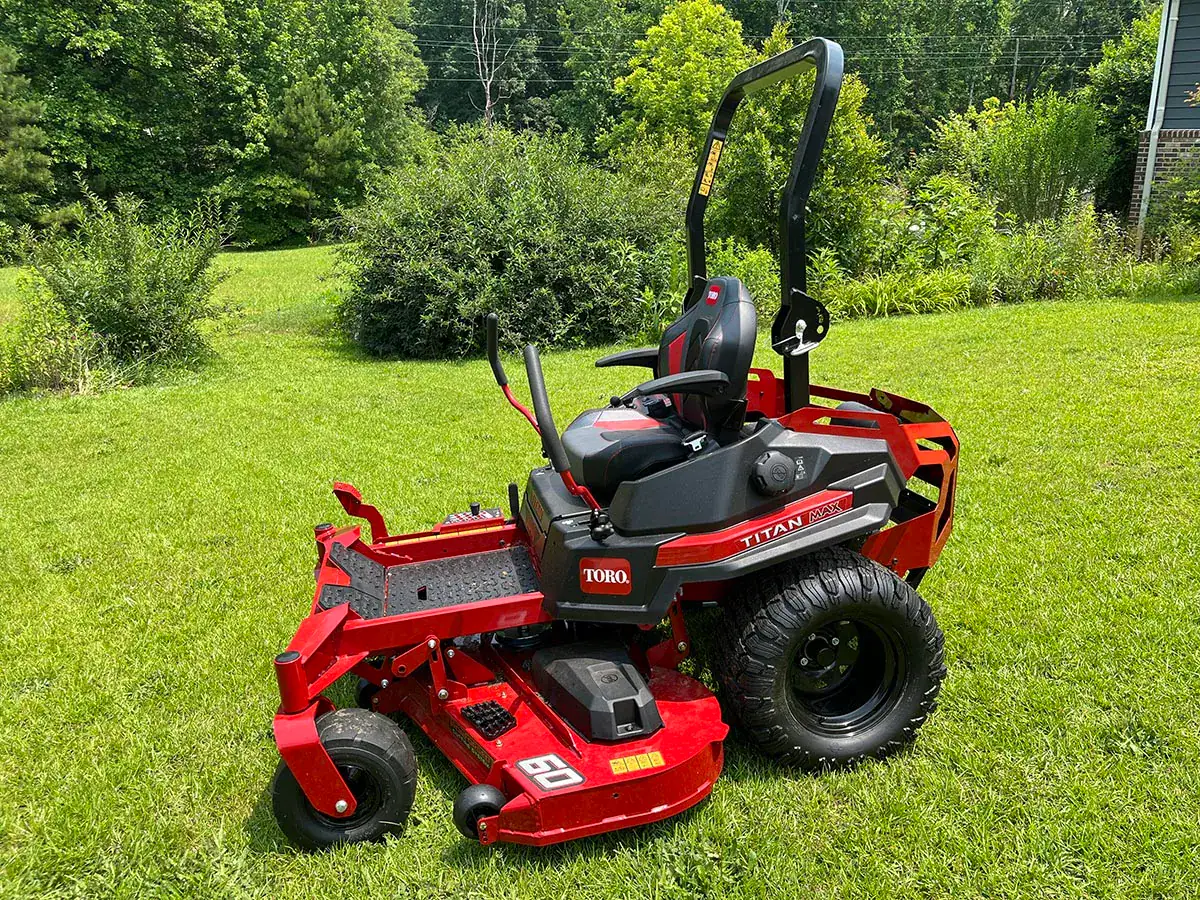
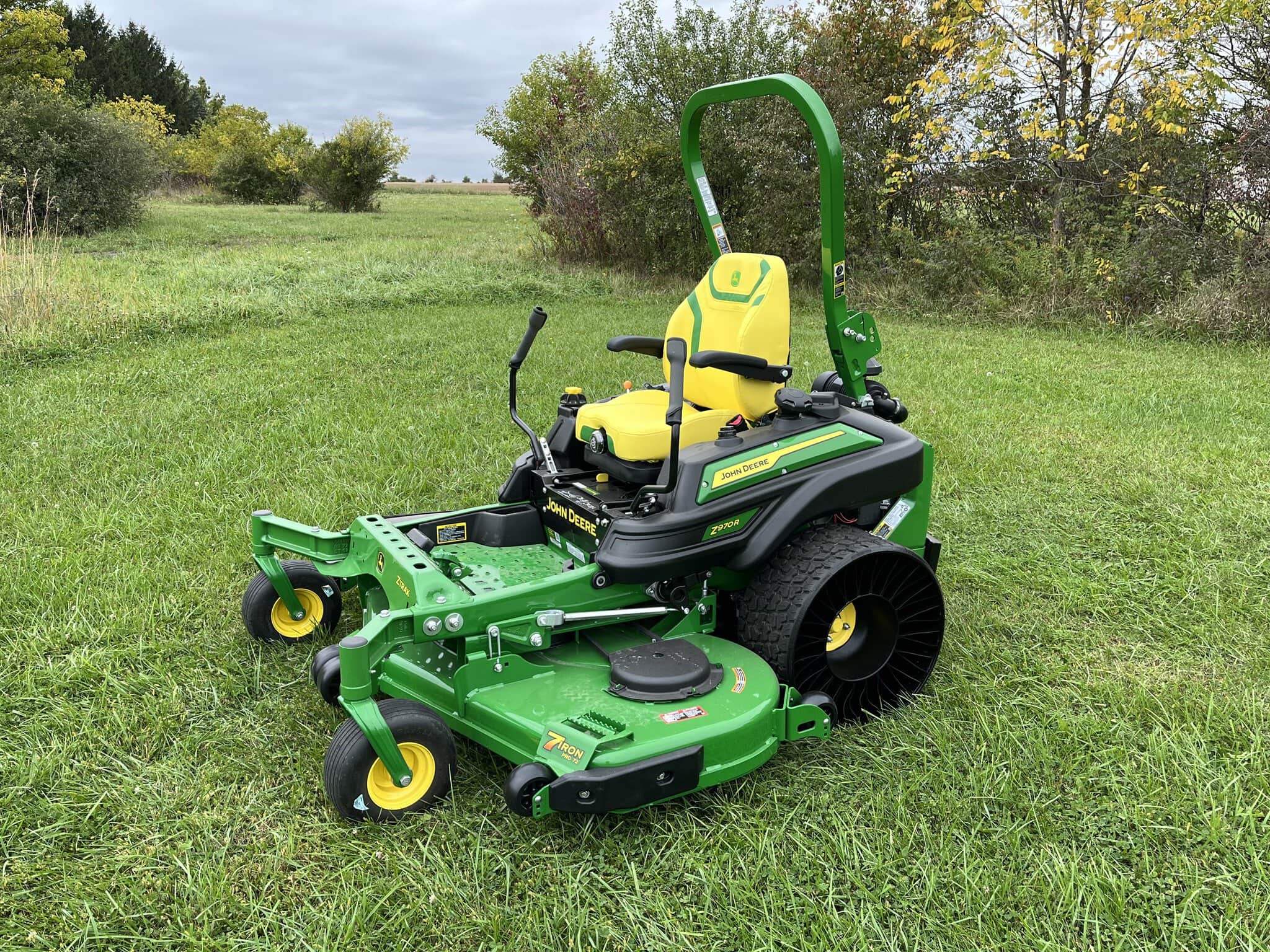
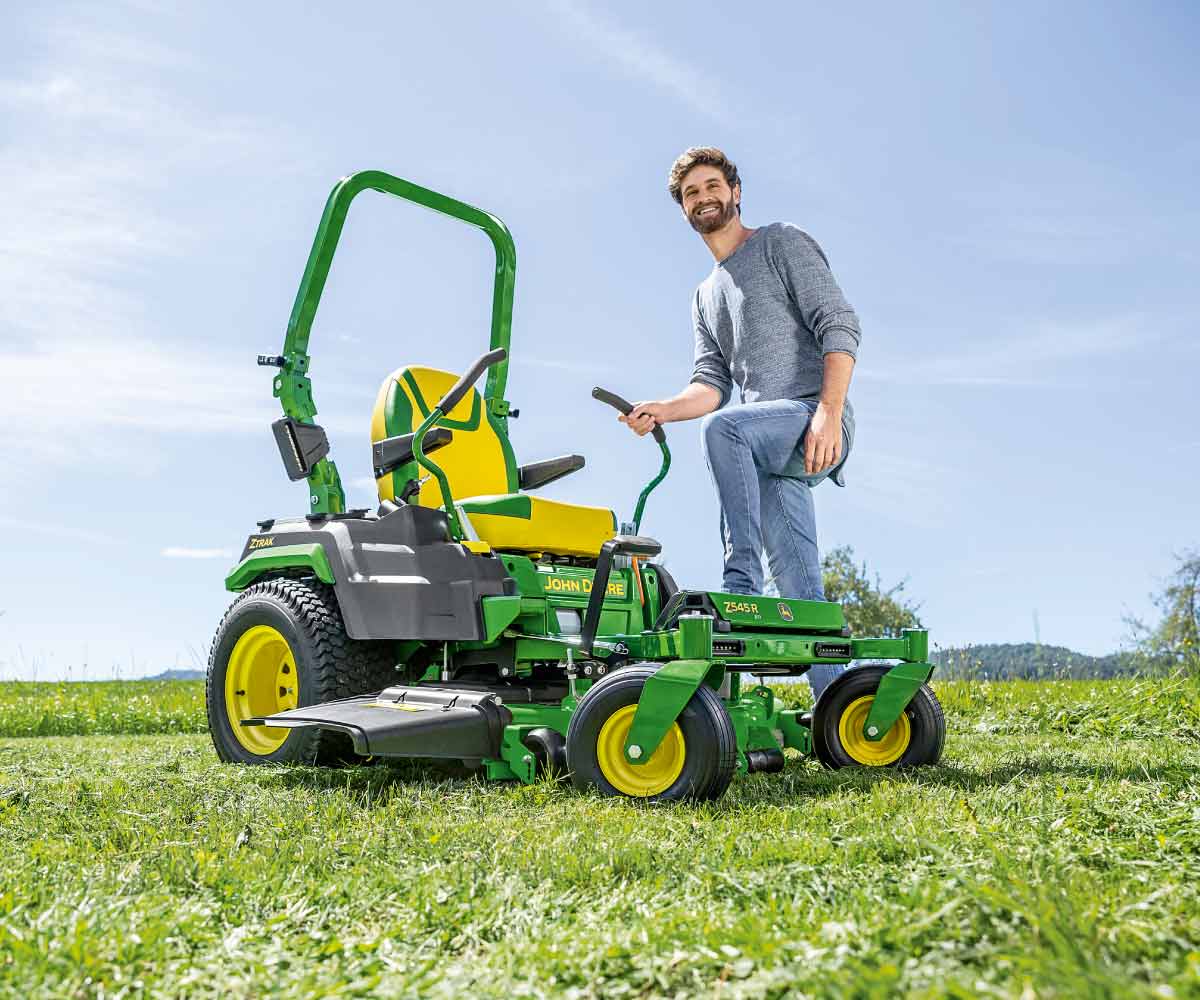
Zero-turn mowers are popular for acreage and obstacle-heavy yards because they’re quick and manoeuvrable. Deck width is one of the biggest drivers of productivity—bigger decks cut faster, but can be harder in tight areas. 

Riding Lawn Tractors (versatile, easier on uneven ground)

For properties with bumps, mild slopes, and varied conditions, riding tractors can feel more stable and familiar to operate, and they’re often the “do-it-all” choice for homeowners who want simple controls and flexibility.

PTO Finish Mowers (the “clean lawn” cut behind a tractor)

If you already run a compact/utility tractor, a rear finish mower can deliver a clean, consistent cut for maintained grass. Many finish mowers are designed around common tractor PTO standards (often 540 rpm depending on the model). 

Rotary Cutters / Brush Cutters (rough grass, weeds, light brush)

For taller grass and rougher areas, rotary cutters are built for toughness and “cleanup” work rather than a golf-course finish. They’re often PTO-driven and sized to match tractor horsepower and working width. 

Flail Mowers (cleaner mulch, safer discharge, versatile)

Flails are popular when you want better mulching and a more controlled discharge pattern, especially in mixed grass and light brush scenarios.

Specs That Actually Matter When Buying a Mower

Deck width and property fit

Deck size determines how quickly you can mow, but also how well you can navigate gates, trees, and tight turns. Use deck size as your first filter, then narrow by terrain and finish expectations. 

Cutting system and grass conditions (wet, thick, uneven)

Canada often means wet mornings, heavy spring growth, and shorter “good mowing windows.” Comparing cutting height range, discharge style, and deck design helps avoid clumping and re-mowing.

Terrain and slope behaviour

If you mow slopes, stability matters more than speed. Safety guidance recommends mowing straight up/down slopes rather than sideways and slowing down on slopes and turns. 

Power needs (engine HP vs PTO requirements)

For tractor-powered mowers, PTO compatibility and power requirements are critical. Many PTO implements are built around standard PTO speeds like 540 rpm. 

Comfort and time-on-seat features

Seat quality, vibration, controls, service access, and maintenance points matter a lot if you mow weekly or cover large areas.


Built for Canadian Conditions

Short seasons and changing weather punish weak setups. Aglist focuses on the practical details Canadians care about: how a mower behaves in wet grass, how easy it is to service, and how consistent the cut looks after real use.

Safety notes for real properties

Canadian safety guidance highlights basics that matter on real yards: check for hidden hazards (holes/rocks), reduce speed on slopes and sharp turns, and keep discharge pointed away from people and property. 

For zero-turns specifically, manufacturers also warn about avoiding edges near water and using safer tools for those zones. 


Frequently Asked Questions

What mower should I choose for 1–3 acres in Canada?

Many owners start by choosing deck size based on property size and obstacles, then decide between zero-turn (speed + manoeuvrability) vs riding tractor (familiar handling + versatility). 

Zero-turn vs riding tractor—what’s the real difference?

Zero-turns are designed to cut faster and turn tighter; riding tractors tend to be easier on uneven ground and feel simpler to operate for many people.

What’s the difference between a finish mower and a rotary cutter?

Finish mowers focus on a cleaner cut for maintained grass; rotary cutters are for rougher mowing and overgrowth control. 

Note: We try our best to keep specs and information accurate, but some details can be missing or different depending on the source. Before you buy, service, or repair equipment, please double-check key specs with the manufacturer, the owner’s manual, or your dealer.


About reviews: Reviews on Aglist are written by real users. We moderate them for spam and abuse, but opinions and claims are still personal—so use them as guidance, not as a guarantee.

Socials

Facebook
Aglist

Copyright © 2026 powered by Aglist.ca All rights reserved