Aglist
Equipment
Tractors
Skid Steers
Mowers
Tillage
Grain Dryers
Attachments
Brands
Blog
Contact
Model
Types of Transport
Make
Model
DefaultRating: High to LowRating: Low to High
John Deere 6M
 John Deere 6M 130
John Deere 6M
 John Deere 6M 125
John Deere 6M 110
 John Deere 6M 120 Tractor Specs, Review & Owner Feedback
John Deere 6M
 John Deere 6M 115
John Deere 6M 110
 John Deere 6M 110
John Deere 6M
 John Deere 6M 95
M8-201
 Kubota M8-201
M8-181
 Kubota M8-181
John Deere 6M 105
 John Deere 6M 105
Kubota_M7-134_aglist
 Kubota M7-174
Kubota_M7-134_aglist
 Kubota M7-154
Kubota_M7-134_aglist
 Kubota M7-134
Kubota_MX4900_Aglist
 Kubota MX4900
Kubota_L6070_Aglist
 Kubota L6070
Kubota_L5070_Aglist
 Kubota L5070

Tractors in Canada: Reviews, Specs & Ratings

Compare Tractors by Specs, Ratings, and Real-World Use

Aglist helps you research tractors the way people actually buy them in Canada: by comparing key specifications, understanding real-world performance, and learning what owners like (and don’t like) after a season of work. Use filters to narrow down by horsepower, operating weight, hydraulics, transmission, and features—then compare models side-by-side to see what fits your tasks and budget.

Tractor Types (Compact, Utility, Row-Crop, Specialty)*

Not every tractor is built for the same job. On Aglist, you can browse and compare the most common tractor classes used across Canada:

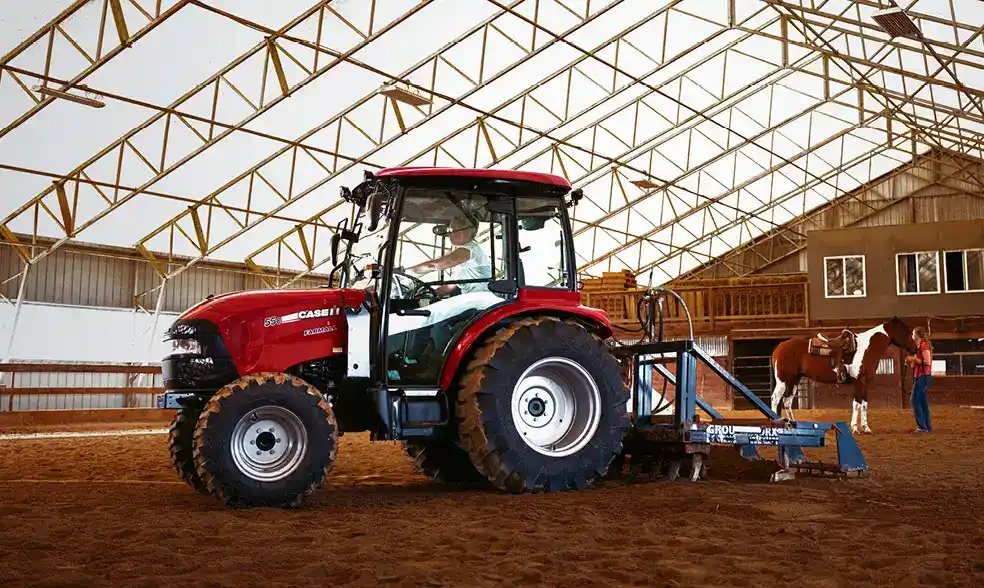
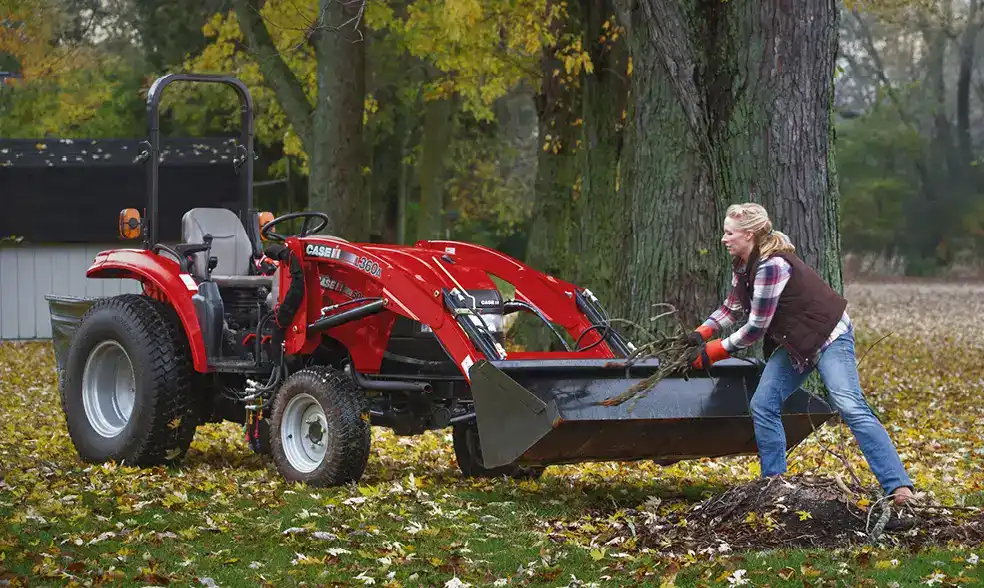
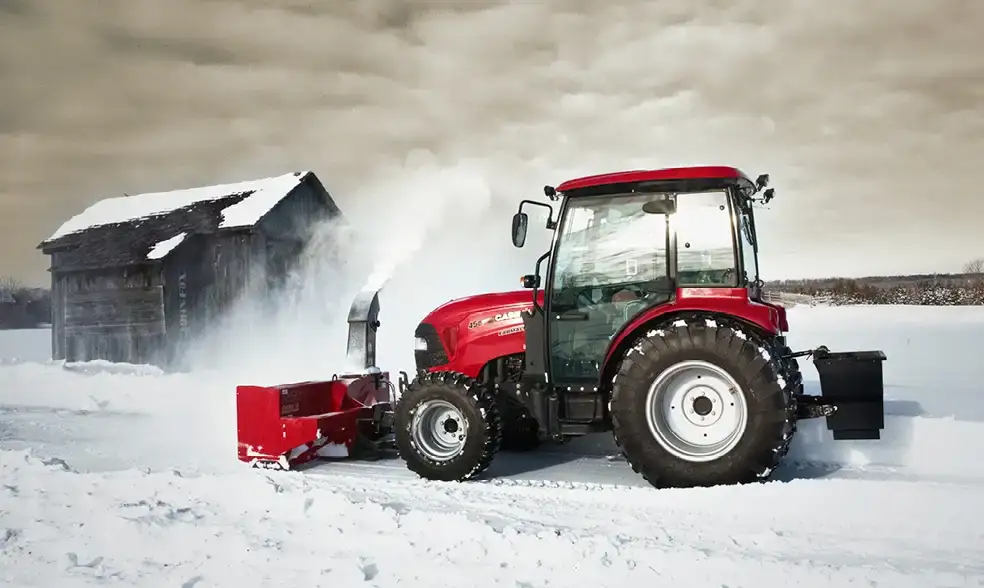
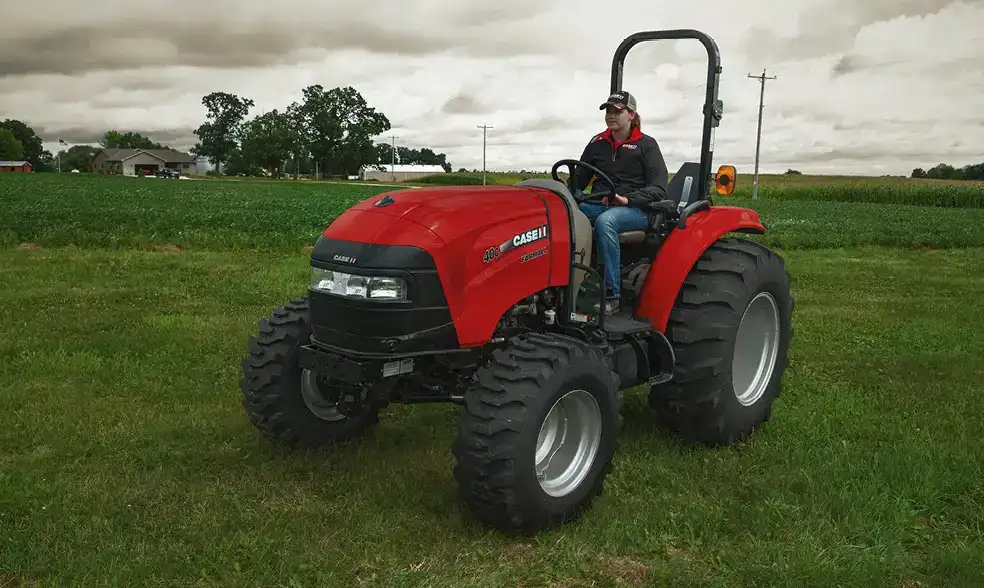
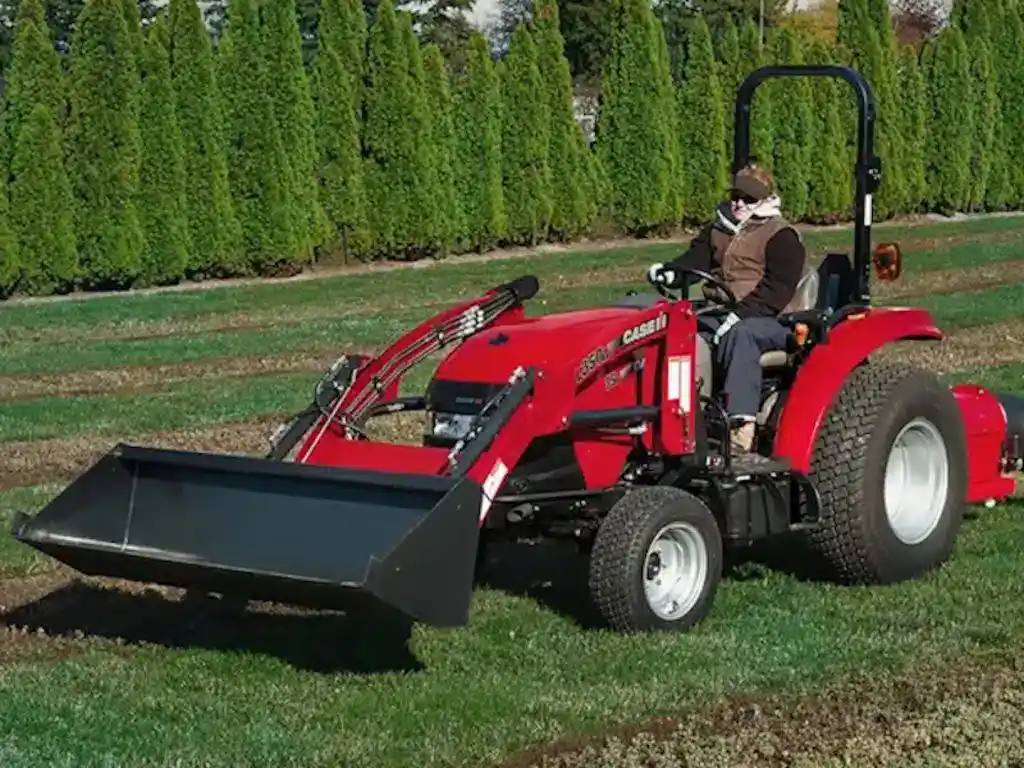
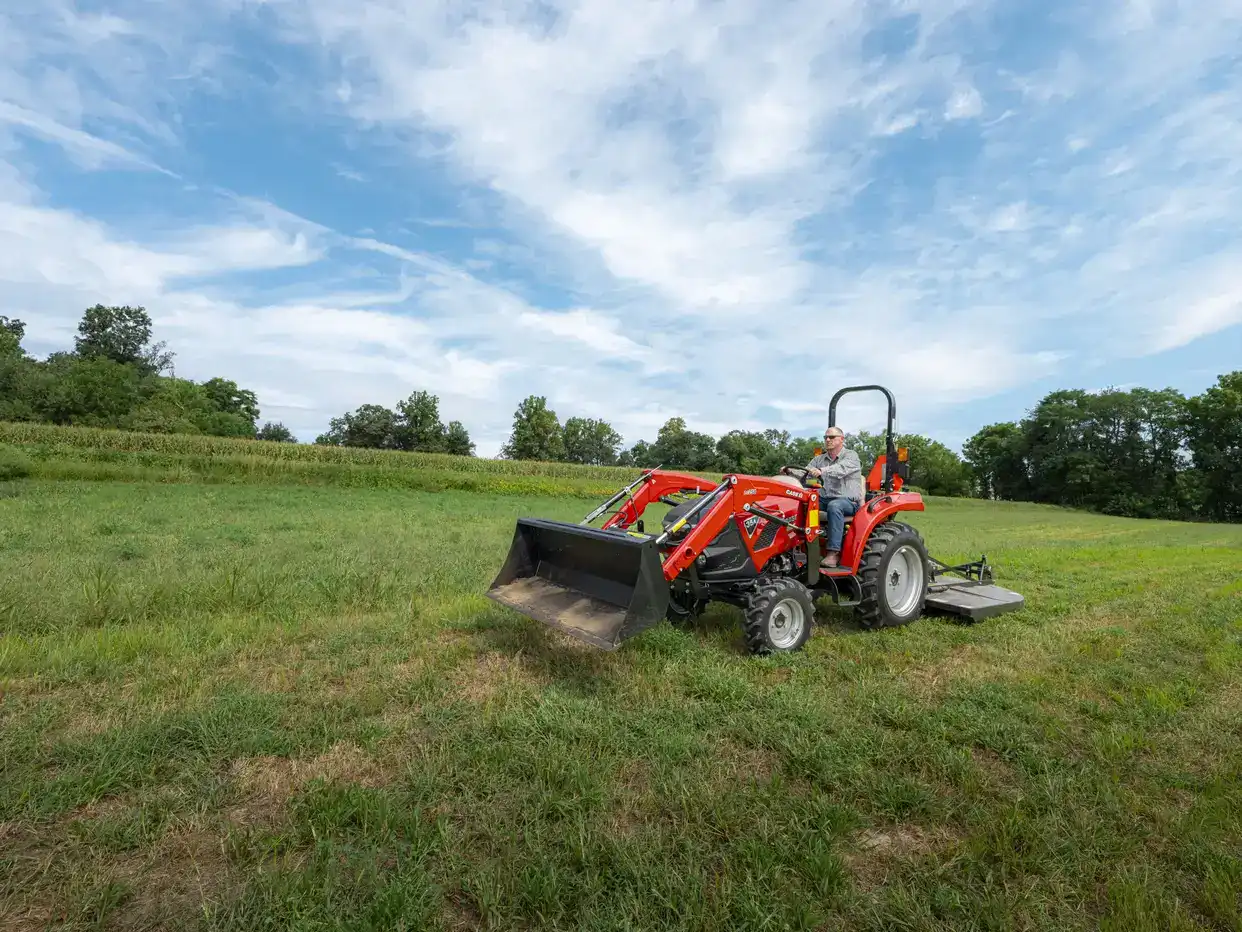
  • Sub-compact & compact tractors for acreage, landscaping, loader work, snow removal, and light implements

  • Utility tractors for heavier loader work, hay, yard chores, and larger implements

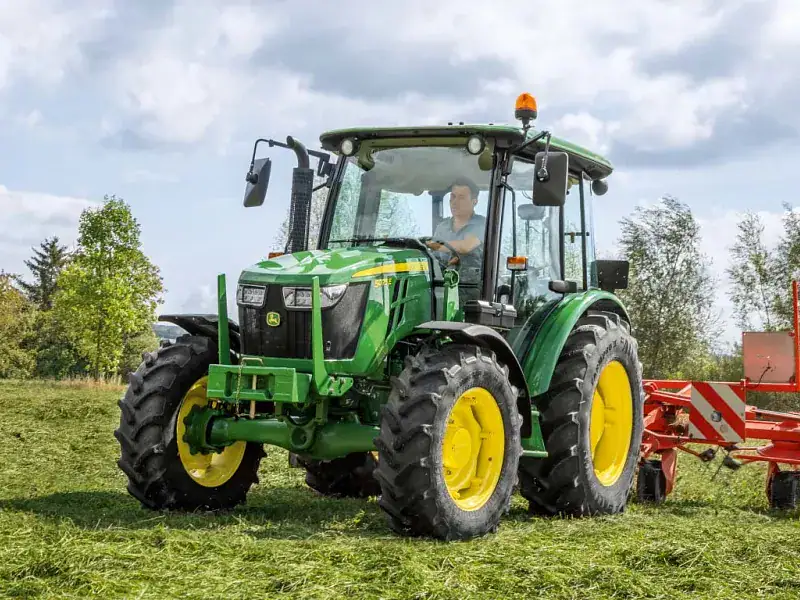
  • Row-crop tractors for field operations, high capacity hydraulics, and long workdays

  • Specialty tractors for orchards/vineyards, low-clearance work, and tight spaces

*(Many manufacturers describe tractor sizing by sub-compact/compact/utility classes and typical use cases.) 

The Specs That Matter Most When Choosing a Tractor

When comparing tractors, these specs usually explain the biggest differences in capability and comfort:

Engine HP vs PTO HP (and why it matters)

Many implements run through the PTO (power take-off)—a system that transfers power from the tractor to attached equipment. 

If you’re running a mower, snowblower, tiller, baler, or auger, PTO horsepower and PTO type (540 / 1000 where applicable) become key decision points.

Hydraulics and loader performance

Hydraulic flow, pressure, and lift capacity affect how your loader, remotes, and hydraulic implements perform—especially in cold weather when efficiency matters.

3-Point Hitch category and implement compatibility

The 3-point hitch category helps determine implement compatibility and sizing (smaller categories are common on compact tractors, larger categories on bigger machines). 

Aglist makes it easier to compare hitch category, lift capacity, and common implement matches.

Weight, traction, and stability

Operating weight, wheelbase, ballast options, and tire choice (R1/R4, chains, etc.) influence traction and stability—important for loader work, hills, and winter conditions.

Transmission and operator comfort

HST, power shuttle, CVT/powershift, cab options, heat/AC, visibility, and control layout can matter as much as raw specs if you spend long days in the seat.

Built for Canadian Conditions

Canadian work seasons are demanding: cold starts, snow removal, wet springs, dusty harvests, and long operating hours. That’s why we highlight practical details like service access, winter usability, parts support, and operator safety features.

ROPS and seatbelt basics

If a tractor can roll, rollover protection (ROPS) and seatbelts are critical. Canadian safety guidance and standards emphasize ROPS where rollover risk exists. 

Browse Tractors by Brand and Compare Models

Use the brand filter to explore popular manufacturers, compare model generations, and spot differences in features and configurations. As Aglist grows, you’ll also find more listings and availability signals to help you shortlist the right machine faster.


Frequently Asked Questions

What tractor size do I need for my acreage?

It depends on your workload (loader work, mowing, snow removal, tillage), terrain, and the implements you plan to run. Start with your PTO/implement needs, then compare weight, traction, and hydraulic capability.

What’s the difference between engine horsepower and PTO horsepower?

Engine horsepower is measured at the engine; PTO horsepower reflects usable power delivered to PTO-driven implements. 

Why do PTO type and hitch category matter?

PTO standards and hitch category affect which implements you can run safely and efficiently, and whether your tractor is properly matched to the equipment. 

Note: We try our best to keep specs and information accurate, but some details can be missing or different depending on the source. Before you buy, service, or repair equipment, please double-check key specs with the manufacturer, the owner’s manual, or your dealer.


About reviews: Reviews on Aglist are written by real users. We moderate them for spam and abuse, but opinions and claims are still personal—so use them as guidance, not as a guarantee.

Socials

Facebook
Aglist

Copyright © 2026 powered by Aglist.ca All rights reserved