Aglist
Equipment
Tractors
Сompact Loaders
Mowers
Tillage
Grain Dryers
Attachments
Snow Pushers
Snow Blades
Brands
Blog
Tools & Calculators
Contact
Model
Types of Transport
Make
Model
DefaultRating: High to LowRating: Low to High
SQ SERIES DRYERS
 Super-B SQ8
SQ SERIES DRYERS
 Super-B SQ40
SQ SERIES DRYERS
 Super-B SQ36
SQ SERIES DRYERS
 Super-B SQ32
SQ SERIES DRYERS
 Super-B SQ28
SQ SERIES DRYERS
 Super-B SQ12
SQ SERIES DRYERS
 Super-B SQ20
SQ SERIES DRYERS
 Super-B SQ24
SQ SERIES DRYERS
 Super-B SQ16
gsi-grain-dryer
 GSI 2326 & 2326X
GSI-2318
 GSI 2322 & 2322X
GSI-2318
 GSI 2320 & 2320X
GSI-2318
 GSI 2318
gsi-grain-dryer
 GSI 2314
gsi_1226_aglist
 GSI 1226S & 1226H

Grain Dryers in Canada: Reviews, Specs & Storage-Ready Comparisons

Grain Drying Is About Protecting Quality, Not Just Removing Moisture

When grain goes into storage too warm or too wet, the risk of spoilage climbs fast. Canada’s grain quality resources emphasize that higher moisture and temperature increase spoilage risk—and that proper drying and aeration help reduce losses. 

Aglist helps you compare grain dryers with the details that matter in real harvest seasons: capacity, airflow, heat type, controls, and how consistently a system delivers storage-ready grain.

Types of Grain Dryers You Can Compare on Aglist

Different operations need different dryer setups. On this category page, you’ll be able to compare:

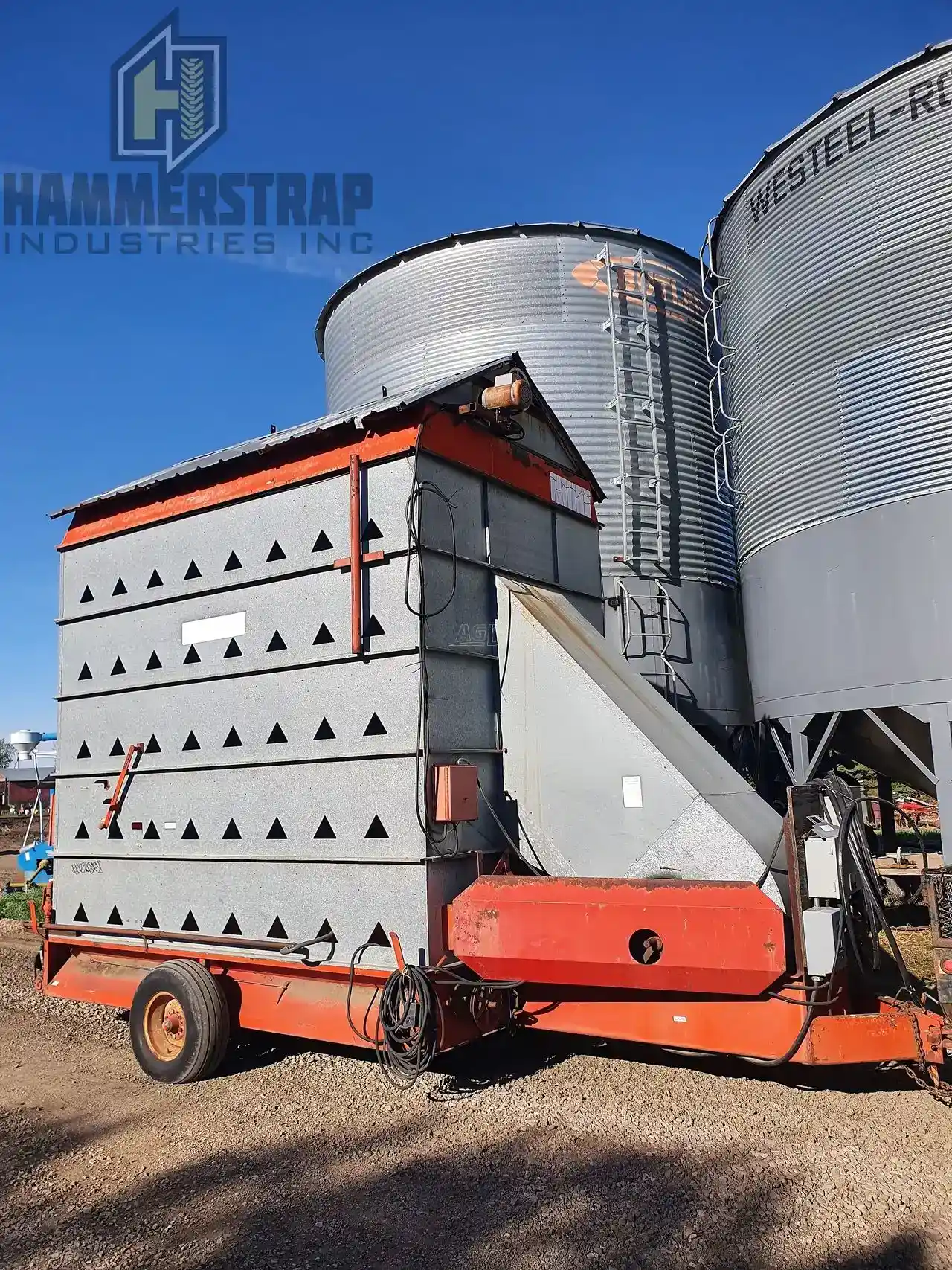
Continuous-Flow (Tower) Dryers

High-capacity continuous-flow systems are designed for steady throughput, often used when harvest windows are tight and volumes are high. Manufacturers describe tower dryers as balancing time, airflow, and temperature to maintain grain quality. 

Portable / Mobile Dryers

Portable dryers can be a practical option for farms that want flexibility, seasonal setup, or a smaller footprint. 

Batch and Mixed-Mode Approaches

Batch and “dry & cool” workflows can be useful when you want more control per load or you’re handling varied crops and moisture levels (especially during uneven harvest conditions). 

In-Bin / Natural-Air Drying and Conditioning

In-bin drying systems rely on airflow through the grain mass and are managed around a “drying zone” that moves through the grain over time—helpful when paired with good monitoring and management practices. 

Specs That Actually Matter When Choosing a Grain Dryer

You can’t compare grain dryers only by “big number” capacity. The best match depends on your crop mix, moisture range, and how your storage system is set up.

Capacity and real harvest throughput

Look for capacity specs that match your typical moisture removal needs—not just ideal conditions. If you regularly take in tough grain, you’ll want enough throughput to avoid bottlenecks and quality loss.

Airflow and temperature control

Drying performance depends heavily on airflow and heat management. In deep-bed drying systems, airflow patterns and the movement of the drying zone are key to consistency. 

Cooling strategy (dryer cooling, dryeration, bin cooling)

Drying isn’t finished when the grain leaves the heat section—cooling and storage conditioning are often what keep quality stable after the dryer. 

Monitoring, automation, and serviceability

Controls, sensors, access for clean-out, and maintenance points matter a lot in busy seasons. A dryer that’s easy to inspect and service is often the one that performs best when conditions turn ugly.

Built for Canadian Conditions (and Canadian Safety Reality)

Grain drying is also a safety-critical job. Canadian safety resources highlight hazards around grain and grain-handling environments, including gases (like carbon monoxide), oxygen deficiency, hot surfaces, moving mechanical parts, and mould exposure. 

Aglist category pages are built to help you compare equipment responsibly—matching the right system to your storage plan, your crop risk, and your operator environment.


Frequently Asked Questions

Why do farmers dry grain instead of waiting for perfect field moisture?

Because weather doesn’t cooperate. Canadian grain guidance notes that proper drying and aeration help reduce spoilage risk when grain is damp or tough. 

What’s the difference between tower/continuous-flow and portable dryers?

Continuous-flow (tower) dryers are designed for steady, high throughput, while portable systems emphasize flexibility and seasonal setups. 

Is in-bin drying “real drying”?

Yes—when designed and managed properly. In-bin systems rely on airflow moving a drying zone through the grain over time. 

Note: We try our best to keep specs and information accurate, but some details can be missing or different depending on the source. Before you buy, service, or repair equipment, please double-check key specs with the manufacturer, the owner’s manual, or your dealer.


About reviews: Reviews on Aglist are written by real users. We moderate them for spam and abuse, but opinions and claims are still personal—so use them as guidance, not as a guarantee.

Socials

Facebook
Aglist

Copyright © 2026 powered by Aglist.ca All rights reserved. Sitemap