Aglist
Equipment
Tractors
Skid Steers
Mowers
Tillage
Grain Dryers
Attachments
Brands
Blog
Contact
Model
Types of Transport
Make
Model
DefaultRating: High to LowRating: Low to High
SCORPION HITCH
 Degelman Scorpion Hitch
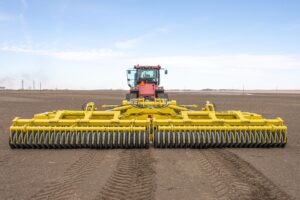
Degelman Pro-Till 40
 Degelman Pro-Till 40
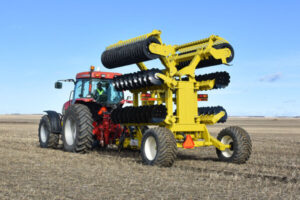
PRO-TILL 30/36/41/45
 Degelman Pro-Till 30/36/41/45
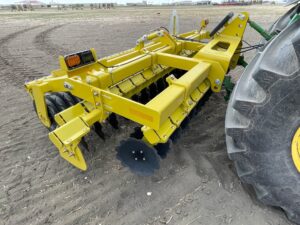
Degelman Pro-Till 25
 Degelman Pro-Till 25
Degelman Pro-Till 20/26
 Degelman Pro-Till 20/26
Degelman Pro-Till 14/17/20 NT
 Degelman Pro-Till 14/17/20 NT
Degelman Pro-Till 10/13
 Degelman Pro-Till 10/13

Tillage Equipment in Canada: Reviews, Specs & Field-Ready Comparisons

Tillage Is About Soil, Residue, and the Next Pass

Tillage equipment is chosen less by brand hype and more by what happens in the field: how your soil fractures, how crop residue is managed, and how well the surface is left for the next operation—seeding, packing, or spraying. On Aglist, you can compare tillage tools by the specs that actually change performance: working width, depth, gang angle, shank spacing, residue flow, horsepower requirements, and transport setup.

Common Tillage Tools You Can Compare on Aglist

Disc Harrows and Offset Discs

Disc setups are often used for mixing residue, levelling, and seedbed prep. Different disc designs are chosen based on residue levels and soil conditions (smooth vs scalloped edges are often discussed for lighter vs heavier residue). 

Field Cultivators and Seedbed Finishers

These are typically used to create a consistent seedbed after heavier primary tillage or after residue management—helping produce a uniform surface for planting.

Chisel Plows and Heavy-Duty Cultivators

Chisel-style tools are commonly used when you want deeper soil loosening than a light cultivator pass, while leaving more residue than inversion tillage in many setups. 

Harrows, Packers, and Levelling Tools

For many operations, the “last pass” matters: levelling, breaking clods, and preparing a consistent finish can improve seeding quality and emergence.


Vertical Tillage and Residue-First Strategies

When residue management is the pain point, many farmers focus on cutting/chopping and spreading residue consistently—because that can affect soil moisture, seeding quality, and next-year establishment. 


The Specs That Matter Most for Tillage Equipment

Working width and transport practicality

Bigger width can cover acres faster, but transport width, folding design, and field access matter just as much on Canadian roads and yard entrances.

Depth, shank spacing, and soil disturbance

Depth and spacing influence how aggressively the tool works the profile and how it handles residue flow—especially when conditions are wet or you’re dealing with heavy straw.

Residue handling (the make-or-break factor)

In Western Canada, residue management can drive the whole tillage plan. Research and extension material emphasizes that residue distribution and management affect soil health, moisture retention, erosion risk, and seeding management. 

Horsepower requirement and fuel efficiency

Matching horsepower to tool size isn’t only about “can the tractor pull it”—it affects working speed, finish quality, and fuel burn per acre.

Built for Canadian Conditions

Canada has seen major improvements in soil erosion risk since the 1980s, linked in part to increased adoption of conservation tillage and reduced summerfallow. 

That’s why Aglist treats “tillage” as a balance: field performance today and soil resilience over time—especially in regions with wind exposure, variable moisture, or rolling landscapes.

Safety and implement setup matter

When using tractor-pulled implements, Canadian safety guidance stresses: use equipment suited to the task, follow manufacturer manuals, keep equipment in good repair, and inspect for wear/damage. 


Frequently Asked Questions

What tillage tool is best for heavy residue?

It depends on your rotation and seeding system. Many operations start by prioritizing residue distribution and consistent chopping/spreading, then choose the tillage intensity needed for seedbed and soil structure. 

Is reduced tillage becoming more common in Canada?

Many Canadian programs and indicators discuss the environmental benefits and adoption of reduced or conservation tillage practices, including reductions in erosion risk. 


Note: We try our best to keep specs and information accurate, but some details can be missing or different depending on the source. Before you buy, service, or repair equipment, please double-check key specs with the manufacturer, the owner’s manual, or your dealer.


About reviews: Reviews on Aglist are written by real users. We moderate them for spam and abuse, but opinions and claims are still personal—so use them as guidance, not as a guarantee.

Socials

Facebook
Aglist

Copyright © 2026 powered by Aglist.ca All rights reserved