Overview & Specs
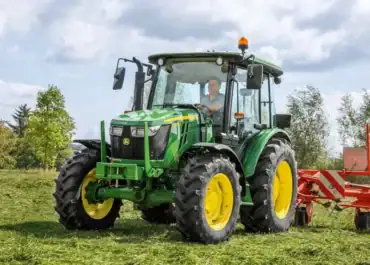
The John Deere 5060E is a configuration decision before it is a horsepower decision. The current Canadian offering combines utility-tractor work with several transmission and operator-station choices, but those choices do not produce identical PTO ratings. For an acreage owner wanting both convenient loader control and a particular driven implement, that distinction can decide which package belongs on the shortlist.
Deere’s current page includes eHydro material explicitly referring to model year 2027. This guide describes the documented current offering, not a promise that an older 5060E has those controls or that every advertised option is locally in stock. Identify model year, transmission and enclosure on the actual quotation before using the figures below.
On This Page
ToggleRead the PTO rows before choosing the controls
The Canadian 5060E specification table provides these references.
| Reference | Published value |
|---|---|
| Engine | Three-cylinder 2.9 L diesel; 60.5 hp at 2,100 rpm |
| Rated PTO, open station PR/TSS | 48.3 hp |
| Rated PTO, cab PR/TSS | 46.3 hp |
| Rated PTO, HST | 38.3 hp |
| Transmission choices shown | SyncShuttle, PowrReverser and eHydro |
| Hitch | Category 2, convertible to Category 1 |
| Single rear SCV flow | 43.1 L/min |
PR and TSS are the page’s PowrReverser and SyncShuttle grouping; HST identifies its hydrostatic entry. A separate maximum-PTO row contains inconsistent relationships, so it is not used here to override the rated entries. Confirm the version-specific documents when a requirement is close.
A useful example: the preferred controls may not pass the implement screen
Suppose an implement’s documented minimum is 40 PTO hp. The cited HST rating is below that threshold, while the two PR/TSS rated entries are above it. This is a hypothetical requirement used to explain the comparison, not a recommendation for a particular attachment. The 60.5 engine-hp headline cannot make every transmission version pass.
That does not make one transmission universally better. A buyer with lower-demand tools may reasonably place more value on travel control. Another buyer already committed to a particular implement may need a different configuration or tractor. The correct choice follows the required package.
List the implements first, including their model and mounting version. Preserve minimum and maximum power requirements, shaft speed and other stated limits. Then mark which tractor configurations meet the initial screen. Only those that satisfy all essential requirements should enter the comfort and price comparison.
The PTO horsepower guide explains why a fixed deduction from engine output is not a sound substitute. Here the manufacturer publishes separate entries, so those distinctions belong directly in the buying worksheet.
Where eHydro deserves a demonstration
The current page describes Twin Touch pedals and electronic travel features for the eHydro option. Their practical value should be judged in the work that involves repeated approach, withdrawal and small speed changes. A short straight drive does not reveal much about a loader routine around buildings.
Prepare a representative permitted sequence: approach the material, collect an appropriate load, withdraw, position at the destination and return. Include the regular operator and allow enough familiarisation that the comparison is not simply familiar controls versus unfamiliar ones.
Then assess a PTO task separately. The operator needs suitable ground travel while maintaining the implement’s prescribed operating conditions. Electronic assistance should be explained in that context. Do not assume that a travel pedal always has the same relationship to engine speed as a road vehicle’s accelerator.
Deere’s promotional timing claims are based on specified internal comparisons. They are not a guaranteed annual saving for your property, so this guide does not turn them into a purchase payback. Observe your complete job instead, including tool changes and time waiting for other work.
When a geared arrangement may fit better
A farm with long, steady passes can have a different priority from a yard tractor. The geared alternatives deserve examination for useful ratios at the required PTO speed, direction-change procedure and operator preference. Count shifts and reversals during real work rather than ranking transmissions from their labels.
PowrReverser and SyncShuttle should not be treated as two spellings for the same control arrangement. Have direction selection, gear changes and range changes demonstrated separately. A convenient reverser does not mean every shift can be made in any manner or at any speed.
For slow implement work, examine the relevant speed chart. For transport between fields, assess the complete route and equipment. The total number of gears is less useful than having appropriate choices where the tractor actually spends its hours.
The transmission comparison provides the broader framework. The 5060E decision should finish with an identified configuration and the actual operator’s assessment.
Cab selection changes more than the purchase price
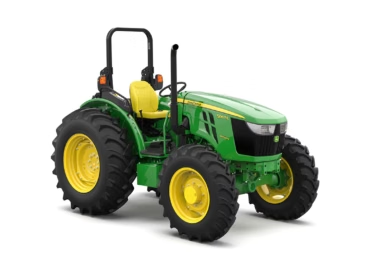
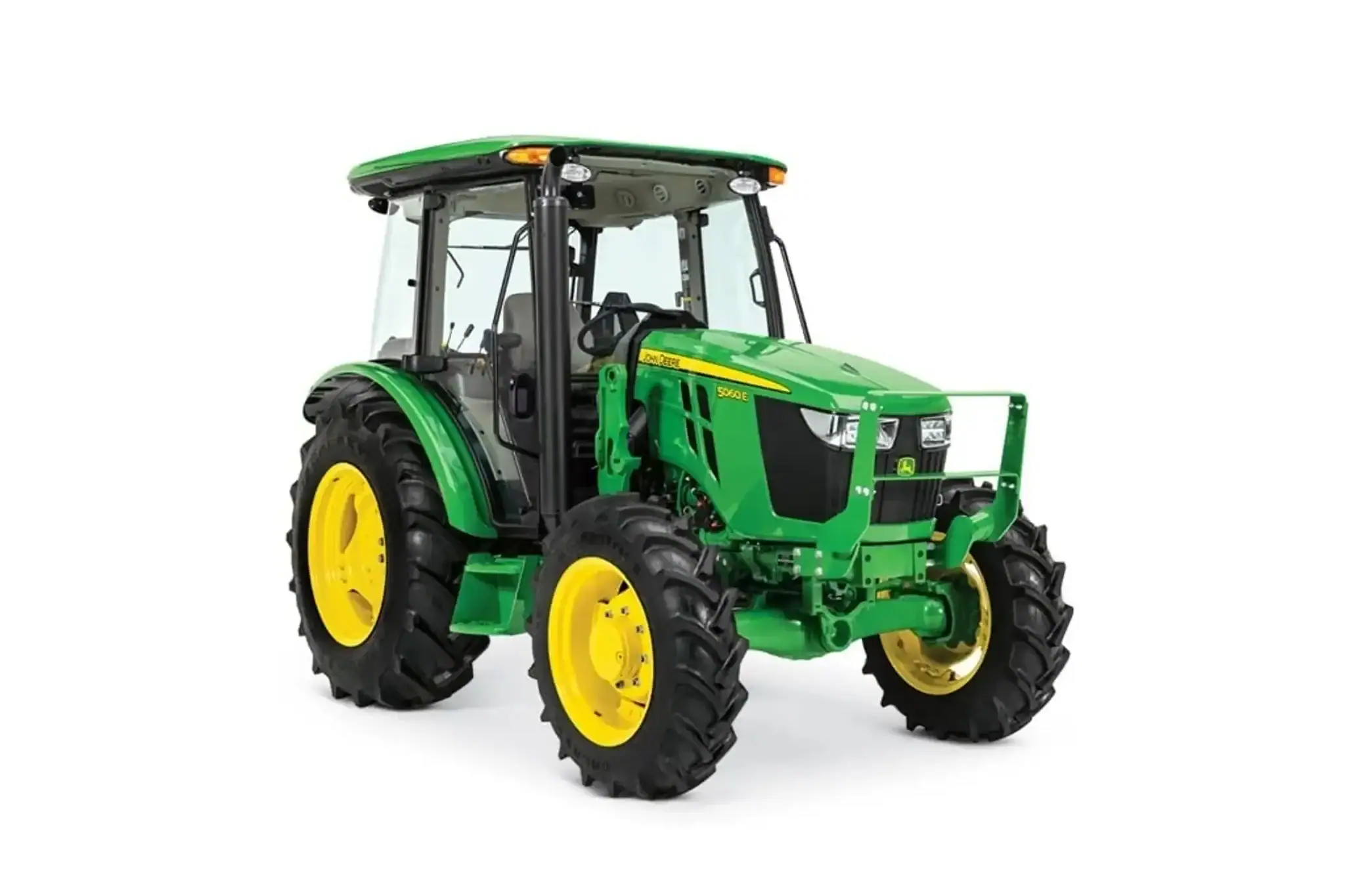
The current offering includes open station, standard HVAC cab and premium cab choices. The right enclosure depends on the work schedule and access, not just preference during a mild-weather viewing. Long winter clearing or daily livestock chores create a different brief from occasional summer mowing.
Compare the exact cab equipment and test what matters: visibility of the attachment, seat position, control reach, entry and exit, and the functioning climate and demisting systems. A premium label should lead to an itemised equipment comparison rather than an assumption that every feature is necessary.
Measure storage and working clearance with the actual tyres and accessories. The doorway that accommodates an open tractor may not suit a cab package. Include the approach over uneven ground and any lights or roof equipment rather than relying on a nominal building description.
For a used cab, repair needs are part of cost. Damaged glazing, poor seals or nonfunctional climate equipment can erase the apparent advantage of a lower asking price. The cab versus open-station guide helps structure that assessment.
Hydraulic numbers need their measurement point
The page distinguishes pump totals from flow available at a single rear valve. A hydrostatic configuration’s larger combined pump figure should not be described as all available to one attachment. Use the relevant circuit data and the tool’s actual requirements.
Separate intermittent cylinder functions from continuous hydraulic demand. Record pressure, flow, return requirements and the type of control needed. If two functions must work independently, establish the installed valves and simultaneous capability rather than counting connectors in a photograph.
A loader grapple can require an additional control arrangement even when the loader’s ordinary functions are complete. A rear implement may need a different set of outlets. Make those items explicit in the quotation so the delivered tractor can do the intended job immediately.
For an attachment-driven purchase, the best acceptance evidence is the complete approved combination doing representative work. Record the tool and configuration used so a later substitution triggers a fresh check.
Keep loader capacity separate from transmission convenience
Easy positioning can improve the experience of loading, but it does not change an approved load limit. Specify the loader, attachment and load arrangement independently. A pallet on forks must be evaluated at the appropriate load centre and placement height, with the attachment’s own mass included.
Describe the route as well as the pickup. Doorways, corners, receiving height and the space available to turn can determine whether the package is practical. A tractor that can lift a permitted load in an open demonstration area may not suit the actual building layout.
The required ballast and tyre arrangement belong in the package and transport calculation. Do not treat them as optional afterthoughts to a base-price comparison. Use the loader-rating guide to keep pivot-pin figures and attachment loads distinct.
Retaining existing rear tools
The convertible hitch category is a starting point for an inventory, not blanket compatibility. Identify each tool’s geometry, mass distribution and power needs. A quick hitch can change the position of a tool relative to the tractor and affect the driveline arrangement.
Have PTO driveline length, permitted movement and guarding assessed for the actual setup. Do not transfer the dimensions from an older tractor merely because the same implement was used successfully there. The connection should be correct throughout the allowed operating movement.
For a mounted implement that is close to a carrying limit, retain the manufacturer’s measurement location and configuration. A headline lifting figure without that context cannot approve a long, rearward load. Drawbar work introduces different requirements again.
Seasonal readiness and a realistic ownership budget
A Canadian ownership plan should distinguish the tractor’s working season from its annual hour total. A machine with modest hours but essential winter duties still needs an appropriate storage, starting and service arrangement. Follow the exact manual for fluids, warm-up and approved equipment.
Count the complete cost of becoming operational: tractor, controls, cab choice, attachments, ballast, commissioning and delivery. For used equipment, add identified corrective work from quotations. Keep financing and any promotional terms separate so offers remain comparable.
One useful hypothetical check is to divide an upgrade price by the hours in which it improves the job. An assumed C$3,600 difference spread over 90 relevant hours a year for four years is C$10 per relevant hour before other costs. That is not a tractor price or measured benefit; it makes the owner’s priorities explicit.
Do not assume every relevant hour is an hour saved. A more comfortable control arrangement may be worth paying for even without a cash return. Describe that value honestly rather than turning convenience into invented productivity.
Used 5060E inspection and alternatives
Record serial identity, transmission, operator station, tyres, PTO equipment and hydraulic installation. Keep dated photographs of the identification and supplied equipment with the purchase records. Current eHydro advertising is not evidence that an older tractor has the new option. Match manuals and service records to the actual unit.
Have drive behaviour, clutch or pedal controls, PTO, steering, brakes and hydraulics assessed appropriately. Inspect the loader and attachments separately, including locks, wear and repair evidence. These are general purchase checks, not claims of model-specific faults.
A John Deere 4052R offers a compact-series reference when comparing control convenience and access. The New Holland PowerStar 65 provides another utility-tractor starting point. Verify each current package rather than assuming the series labels settle the choice.
Frequently asked questions
Does every 5060E deliver the same PTO power?
The current table separates transmission and enclosure entries. Use the one applicable to the offered unit and resolve close matches with its documentation.
Is eHydro equipment guaranteed on a used 5060E?
No. The current page’s model-year-specific material must not be transferred to older machines.
Does a larger pump total mean more flow at my tool?
Not necessarily. Check the circuit that supplies it and the required simultaneous functions.
Should the cab or transmission be chosen first?
Define the complete required package first. Either can affect the available configuration and the power comparison.
What should decide between two suitable versions?
The recurring work sequence, operator fit and total equipped cost, after every mandatory implement and carrying requirement has passed.
Share your experience
Help other Canadian buyers — leave a quick review for the
John Deere 5060E
There are no reviews yet. Be the first one to write one.