Overview & Specs
GSI 1214 Portable Grain Dryer (1200 Series) — A Practical Starter in Continuous-Flow Drying
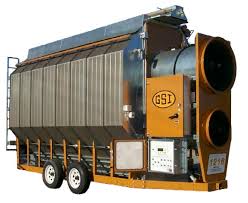
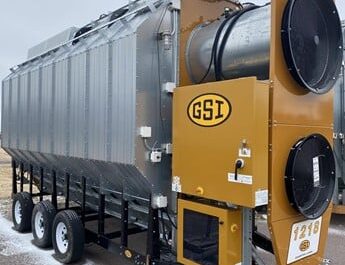
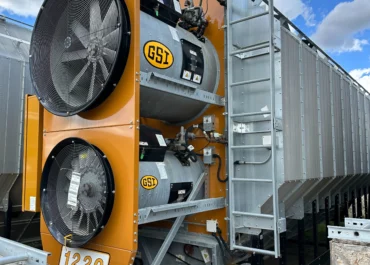
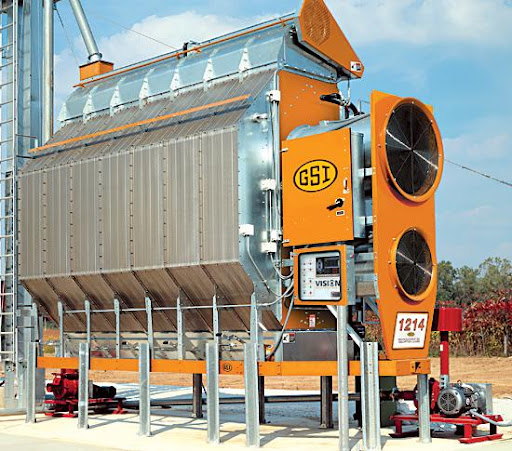
The GSI 1214 is one of the most approachable models in the 1200 Series—a portable, continuous-flow dryer designed for farms that want real harvest flexibility without jumping into a larger, heavier portable unit. The 1200 Series is built as a single module with two fans and two heaters, giving you options in how you run drying when conditions change.
On Aglist, this page pairs published performance and specs with what most buyers actually search for: reviews, owner notes, and real-world experience—because two dryers with similar numbers can feel totally different in day-to-day harvest workflow.
On This Page
TogglePublished drying rates for the GSI 1214 (GSI reference)
Dry & Cool (published)
- 25% → 15%: 250 BPH
- 20% → 15%: 400 BPH
All Heat (published)
- 30% → 15%: 330 BPH
- 25% → 15%: 420 BPH
- 20% → 15%: 680 BPH
These rates are published at a consistent test approach (5-point removal), which makes model-to-model comparison easier when you’re building a shortlist.
Grain columns and holding capacity (why yard flow matters)
Grain columns
- 14” × 14’ long grain columns
Holding capacity
- Total holding capacity: 381 BU
- Grain column holding capacity: 329 BU
For many farms, holding capacity is less about “big numbers” and more about how smoothly your yard runs when trucks arrive back-to-back—reviews often highlight whether a setup feels calm or constantly rushed.
Loading, unloading, and metering (the “flow control” section)
- Top auger (loading): 8” / 5 HP
- Bottom auger (unloading): 8” flight / 10” tube – 5 HP
- Meter roll drive: VFD, 1 HP
- Maximum capacity (mechanical potential): 1,960 BPH
Heat and airflow package (what you plan your site around)
Heaters (max)
- Top heater: 1 @ 3.5 million BTU/hr
- Bottom heater: 1 @ 3.0 million BTU/hr
Fans
- Top fan (1-phase): 1 @ 12 HP, 36”
- Bottom fan (1-phase): 1 @ 12 HP, 28”
- Top fan (3-phase): 1 @ 12 HP, 36”
- Bottom fan (3-phase): 1 @ 12 HP, 28”
Electrical reference (so you don’t buy a dryer your yard can’t support)
- Single phase, 230V (min/max amps): 157/212
- Three phase, 208V (min/max amps): 112/162
- Three phase, 230V (min/max amps): 99/148
- Three phase, 460V (min/max amps): 52/74
- Three phase, 575V (min/max amps): 48/66
Transport footprint and installed size (portable planning)
- Transport length (hitch to discharge auger): 23’2”
- Transport width: 8’
- Approx. transport weight: 7,600 lbs
- Installed length: 21’2”
- Installed height (excluding foundation supports): 14’6”
Reviews on Aglist — what buyers actually trust
Specs help you shortlist. Reviews help you decide. For the GSI 1214, the most useful owner feedback usually mentions:
- crop type and typical moisture situation
- which workflow they used (and why)
- how consistent it felt when conditions shifted
- one clear “pro” and one honest “con”
- a quick note about yard layout (bins, transfer method, truck timing)
Those details don’t just help buyers—they also bring the page traffic from “reviews” searches across Canada.
GSI 1214 FAQ — Real-World Use, Setup & Reviews (Canada)
Who is the GSI 1214 usually a good fit for?
The 1214 is often a strong choice for farms that want a portable continuous-flow dryer as a practical entry point—something that improves harvest flexibility without building a large, permanent drying site right away.
What’s the smartest way to compare the 1214 to other 1200 Series models?
Use a simple order that prevents overbuying:
- Match the dryer to your harvest rhythm (how fast grain arrives)
- Confirm your yard flow (transfer to bins and truck movement)
- Let reviews decide the winner (consistency, ease of operation, maintenance experience)
How do reviews help more than specs for a smaller portable dryer?
With compact portable dryers, the spec sheet rarely tells you:
- how forgiving it feels when moisture changes load-to-load
- how much attention it needs during long harvest days
- whether cleanout and routine checks are quick or annoying
- how it handles real weather swings (cool nights, humidity changes)Reviews answer these questions directly—and that’s what most buyers search for.
Dry & Cool vs All Heat — what should guide the choice in practice?
Most farms decide based on storage and time pressure:
- If you want grain that’s easier to manage going into storage, operators often prefer a workflow where cooling is built into the process.
- If you’re focused on pushing drying pace during short weather windows, farms often run a faster drying workflow and manage cooling/logistics after.The right choice depends on your bins, your schedule, and your local conditions.
What site-planning mistakes can make a 1214 feel slower than it should?
A dryer often gets blamed for yard problems. Common setup issues include:
- bottlenecks from dryer to bins (slow transfer backs everything up)
- awkward auger angles or long grain moves that reduce smooth feeding
- power readiness not verified early (service/panel/wiring run)
- fuel logistics not planned for peak harvest days
What should I inspect first when buying a used GSI 1214?
Start with components that most often lead to downtime or bigger bills:
- stable heat operation (no erratic behaviour)
- fans: smooth startup, no unusual vibration/noise
- metering consistency (steady flow without surging)
- corrosion, patched panels, and neglected cleanout points
- whether the unit fits your yard’s electrical setup without expensive changes
What questions should I ask the seller before traveling to view it?
Ask for:
- how it was used each season and why they’re selling
- any maintenance notes or service history (even basic records)
- any issues they had to “work around”
- a short video of startup and running operation
- what power/fuel setup it was connected to previouslyThis saves time and helps avoid surprises.
What makes a high-quality Aglist review for the GSI 1214?
Encourage reviewers to include:
- crop type and typical moisture situation (approximate is fine)
- which operating approach they ran and why
- one clear benefit and one honest drawback
- a quick note about yard setup (bins, transfer flow, truck timing)These details help future buyers and attract long-tail search traffic.
What habits do owners mention most when they describe a “smooth season”?
Reviews that talk about reliable seasons often mention:
- quick daily checks (airflow path, moving parts, unusual sounds)
- consistent cleanout routine, especially when switching crops
- keeping a few critical spares on hand during harvest
- writing down “known good” routines for common conditions
Why does Aglist emphasize reviews so heavily for grain dryers?
Because most buyers aren’t looking for another brochure—they’re looking for confidence. Reviews add the real-life context: usability, consistency, and how the dryer fits into a Canadian harvest workflow.
GSI 1214 Reviews & Ratings
Share your experience
Help other Canadian buyers — leave a quick review for the
GSI 1214
There are no reviews yet. Be the first one to write one.