Overview & Specs
GSI 1220 Portable Grain Dryer (1200 Series) — What It’s Like to Run One
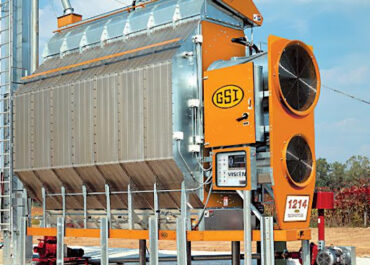
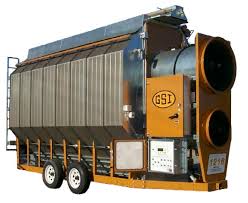
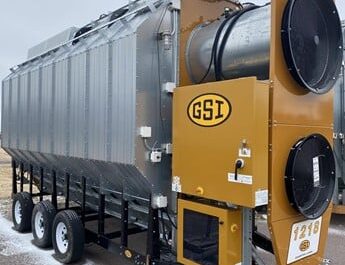
The GSI 1220 is part of the 1200 Series portable continuous-flow dryers—built as a single module with two-stage drying and designed for farms that need flexibility during harvest without moving to a permanent tower setup. It’s often considered when you want a practical footprint, predictable site planning, and the ability to operate in different drying approaches depending on conditions.
On Aglist, this page is meant to do more than list numbers: it helps you compare published performance and then use real owner feedback to judge day-to-day usability, consistency, and the “little details” that matter in Canadian harvest reality.
On This Page
ToggleThe 1220’s sweet spot in the 1200 Series
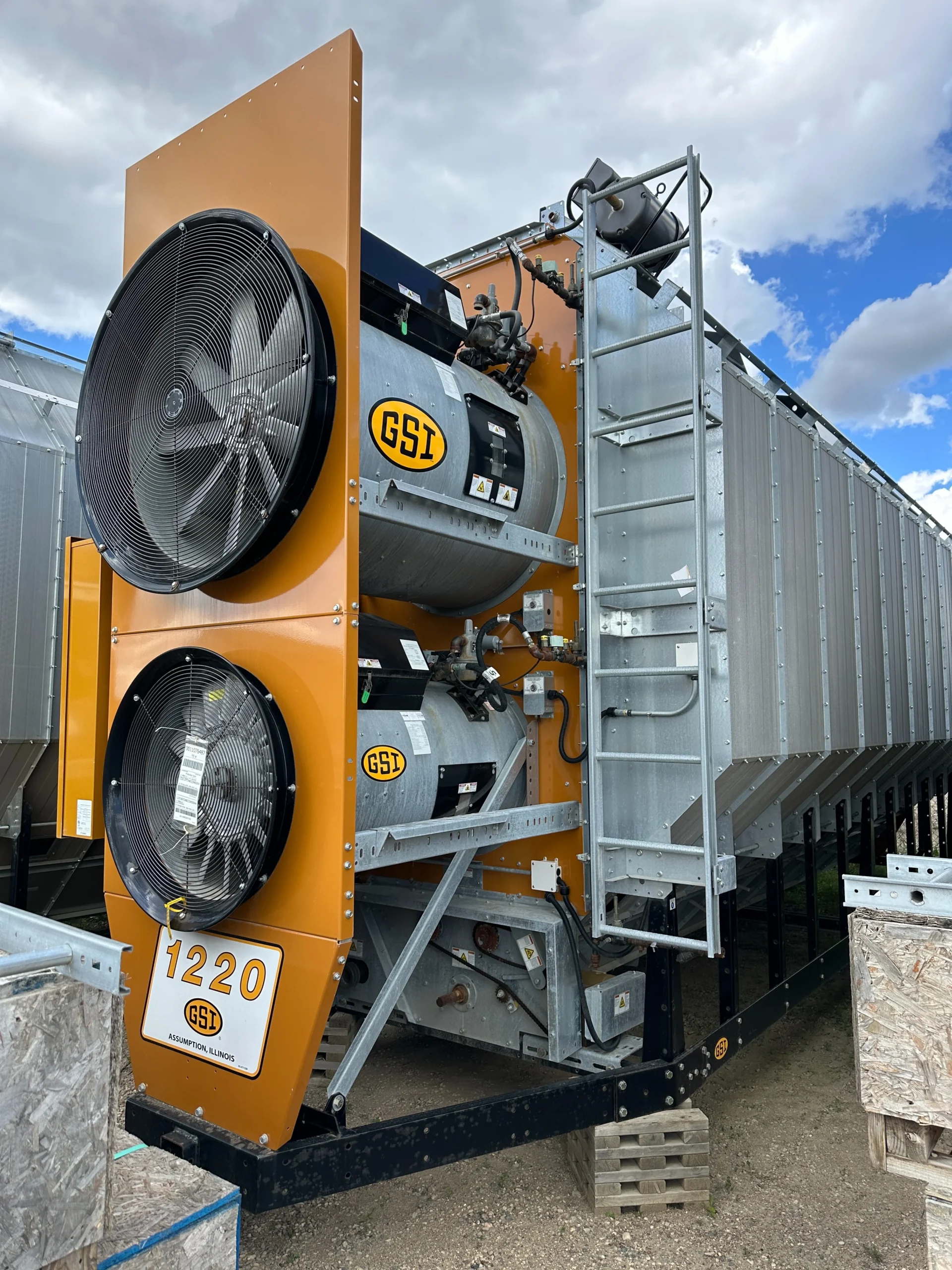
The 1200 Series is described by GSI as a single-module configuration using two vane axial fans and two heaters, each with its own plenum in a 67/33 split, and it’s not expandable.
That makes the 1220 a “choose it right the first time” model—ideal when your goal is a complete portable package rather than a future stack.
Published drying rates (GSI reference)
Dry & Cool (shelled corn)
- 25% → 15%: 350 BPH
- 20% → 15%: 560 BPH
Full Heat (shelled corn)
- 30% → 15%: 430 BPH
- 25% → 15%: 590 BPH
- 20% → 15%: 950 BPH
Note: These are published capacities at 5-point removal, which makes it easier to compare models consistently.
Grain path and holding capacity (why yard flow feels different)
Grain columns
- 14” x 20’ long grain columns
Holding capacity
- Total holding capacity: 544 BU
- Grain column holding capacity: 470 BU
This matters in real harvest logistics: more internal holding capacity can smooth out stop-and-go moments when trucks arrive in waves or when bin transfer is the true bottleneck.
Load/unload hardware and metering control
Loading (top auger)
- 8” top auger, 7.5 HP, rated 3,800 BPH
Unloading (bottom auger)
- 8” flight / 10” tube – 7.5 HP
Metering
- Meter roll drive: VFD, 1 HP
- Maximum capacity (mechanical potential): 2,800 BPH
Heat and airflow package (what to verify before purchase)
Heater capacities (max)
- Top heater: 1 × 5.5 million BTU/hr
- Bottom heater: 1 × 3.0 million BTU/hr
Fans
- Top fan (3-phase): 1 × 15 HP, 40”
- Bottom fan (3-phase): 1 × 12 HP, 28”
Power reference (so the dryer fits your site)
For the 1220, the published electrical references include:
- Single phase, 230V (min/max amps): 191/246
- Three phase, 208V (min/max amps): 125/202
- Three phase, 230V (min/max amps): 116/187
- Three phase, 460V (min/max amps): 61/93
- Three phase, 575V (min/max amps): 54/81
Footprint and transport planning (portable means “known dimensions”)
- Transport length (hitch to discharge auger): 29’2”
- Transport width: 8’
- Transport height: 13’5” (11’9”)
- Approx. transport weight: 9,800 lbs
- Installed length: 27’2”
- Installed height (excluding foundation supports): 14’6”
Reviews on Aglist — the part buyers actually search for
Specs help you shortlist, but reviews help you decide. The most useful owner feedback usually answers:
- How consistent the dryer feels when conditions change overnight
- Whether it’s easy to operate during long harvest days
- How much routine attention it needs (cleanout, checks, adjustments)
- How well it fits a real yard layout (bins, augers, truck flow)
If you’re adding reviews to this model page, encourage reviewers to include crop type + moisture situation + what workflow they ran—those details make the page genuinely helpful and drive “reviews” searches.
GSI 1220 FAQ — Real-World Use, Setup & Reviews (Canada)
Who typically chooses a GSI 1220 instead of a larger portable model?
The 1220 is often picked when a farm wants portable continuous-flow drying but also wants to keep the setup manageable—yard placement, site power, and daily operation that doesn’t feel oversized for the acreage and harvest pace.
What should I focus on first: specs or reviews?
Start with specs only to confirm the dryer fits your workflow. Then use reviews to answer the “ownership questions” that specs don’t cover: how consistent it feels, how much attention it needs, and how it behaves when weather changes during harvest.
What makes a review genuinely useful for the GSI 1220?
The most helpful reviews include:
- crop type and typical moisture situation (rough range is fine)
- what operating approach they ran and why
- one clear benefit and one honest drawback
- a short note about their yard flow (bins, transfer, truck timing)This turns a review into a real buying signal rather than a generic comment.
Dry & Cool vs Full Heat — how do operators usually decide?
Most decisions come down to storage plan and labour:
- If you want grain to be easier to manage for storage right away, operators often lean toward a workflow that prioritizes cooling as part of the process.
- If you’re trying to push drying pace during a tight weather window, many farms use a workflow that emphasizes speed and handle cooling/logistics after.Your best choice is the one that matches how fast you can move grain into storage and how often you’re running late-night loads.
What are common site-planning mistakes that reduce performance?
Even a good dryer can feel “slow” when the yard setup is the real issue. Typical problems:
- poor grain handling flow (bottleneck from dryer to bins)
- awkward auger angles or long moves that reduce smooth feeding
- underestimating electrical readiness (service size and wiring run)
- fuel delivery logistics not planned for peak harvest days
What should I check first when buying a used GSI 1220?
Start with items that can cause downtime or expensive repairs:
- stable heat operation (no erratic behaviour)
- fan condition (smooth startup, no vibration/noise issues)
- metering consistency (steady flow without surging)
- corrosion or neglected cleanout areas
- electrical compatibility with your yard (so you’re not forced into a retrofit)
What questions should I ask the seller before traveling to view it?
Ask for:
- why they’re selling and how it was used each season
- maintenance notes (even basic records help)
- any issues they’ve had to “work around”
- a short video of it starting up and running
- what power/fuel setup it was connected to previouslyThese answers quickly separate strong units from risky ones.
How do I compare the 1220 against similar models without getting stuck in tables?
Use this shortlist method:
- Pick models that match your harvest pace (how fast grain arrives)
- Remove models that don’t fit your site realities (power + layout + storage flow)
- Let reviews decide which one is easier to operate and maintainSpecs narrow down; real owner feedback usually makes the final call.
What maintenance habits do owners mention most when they talk about reliable seasons?
The best “no drama” seasons usually come from simple habits:
- quick daily checks (airflow path, moving parts, unusual sounds)
- consistent cleanout routine, especially when switching crops
- keeping small critical spares available during harvest
- writing down “known good” operating routines for common conditions
Why does Aglist emphasize reviews for equipment like grain dryers?
Because most people searching online aren’t looking for a brochure—they’re looking for confidence. Reviews capture the details that matter on real farms: consistency, usability, and how the unit fits into a Canadian harvest workflow.
GSI 1220 Reviews & Ratings
Share your experience
Help other Canadian buyers — leave a quick review for the
GSI 1220
There are no reviews yet. Be the first one to write one.